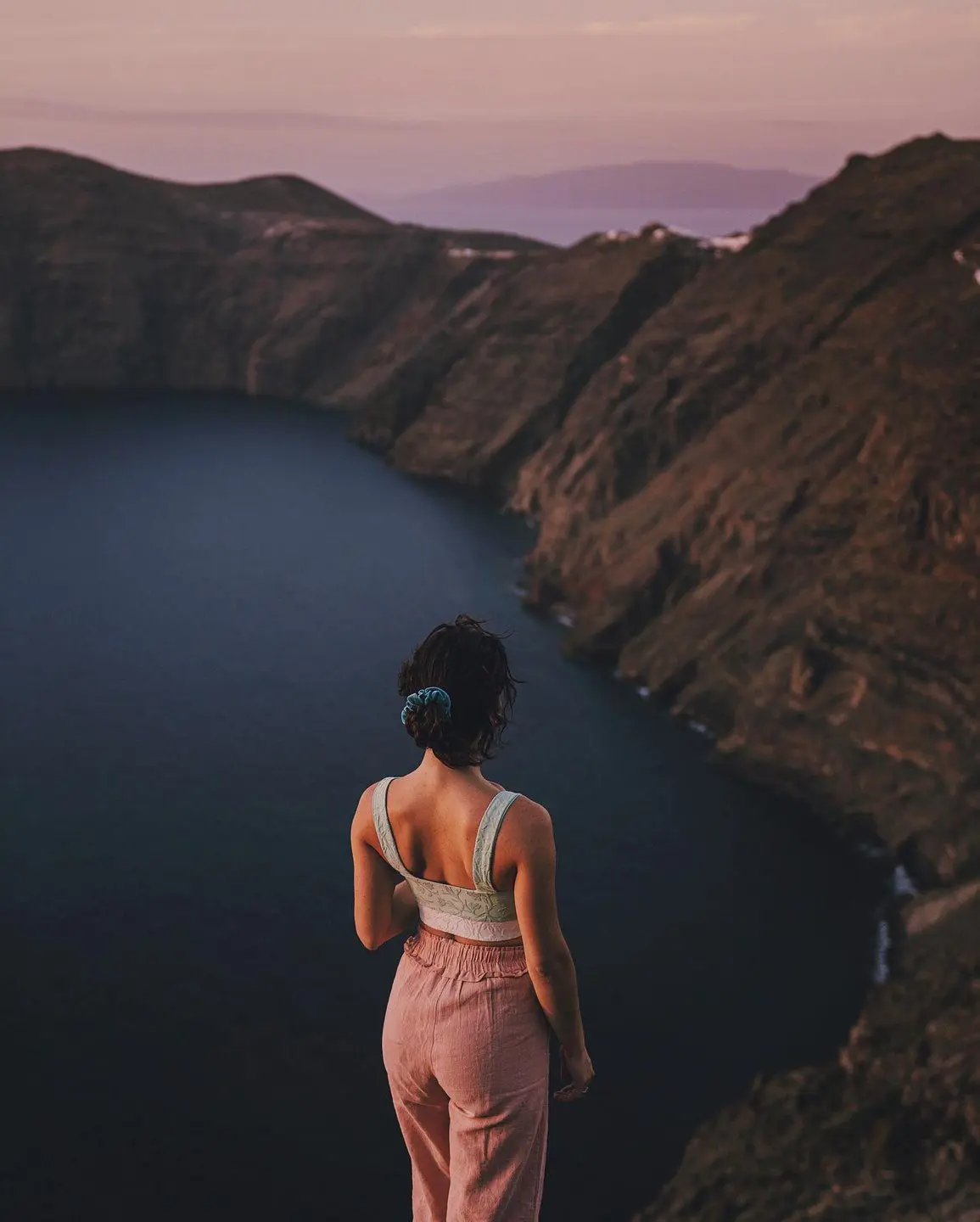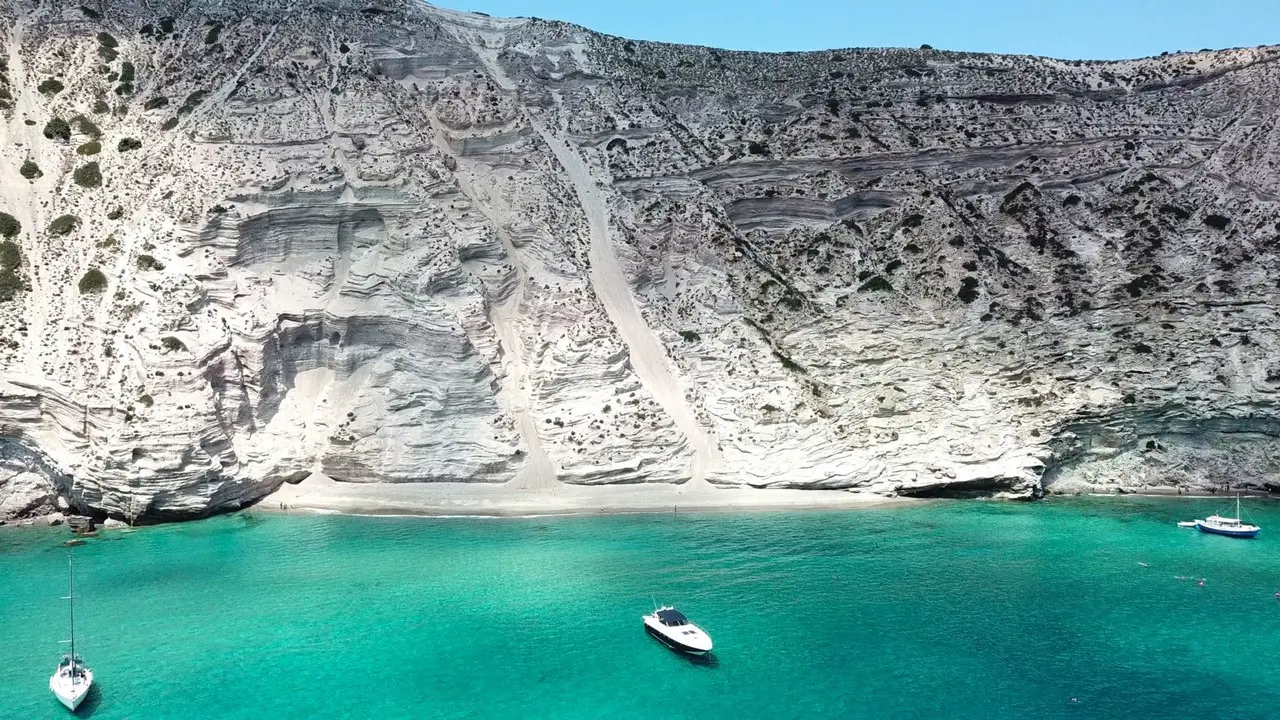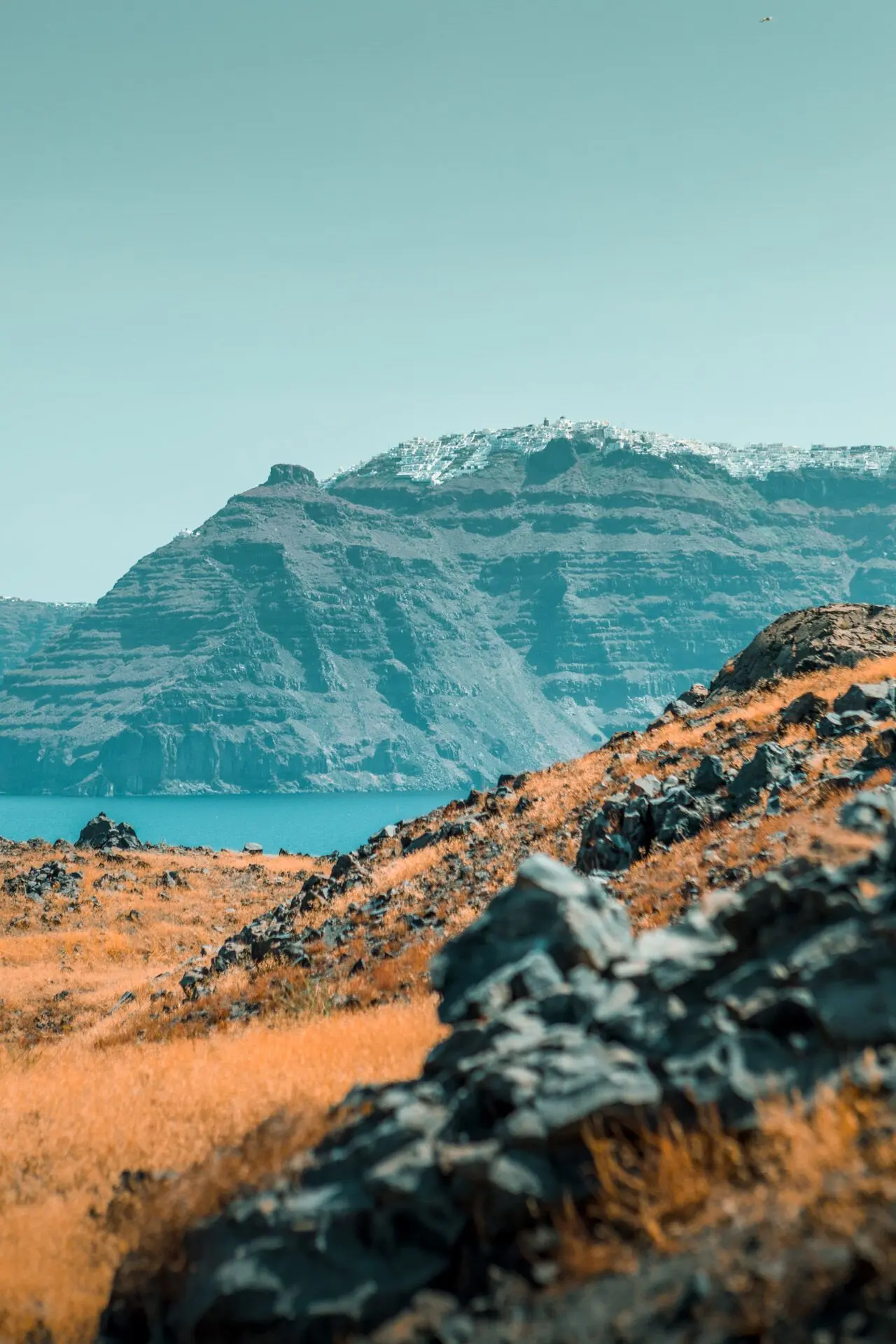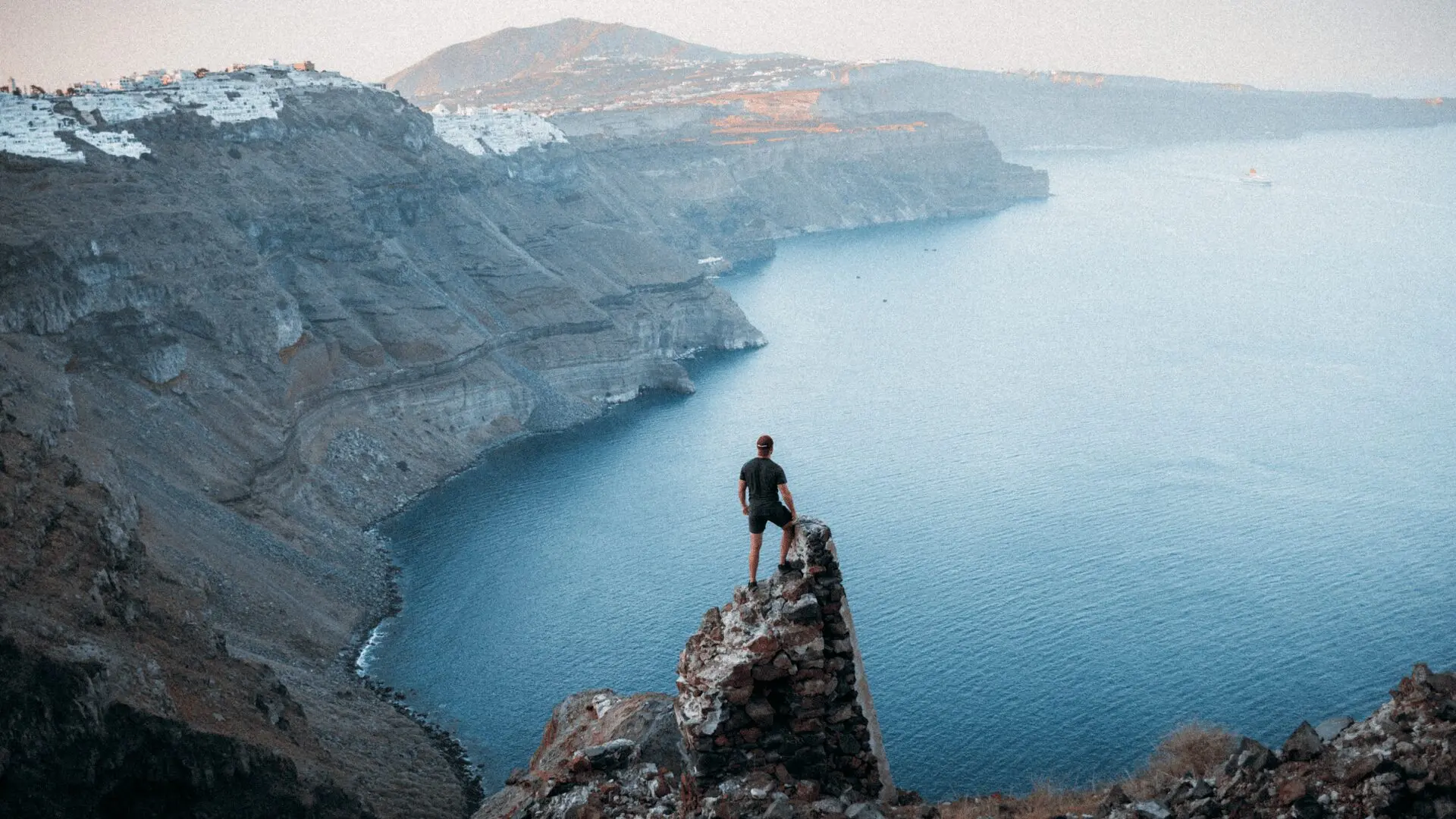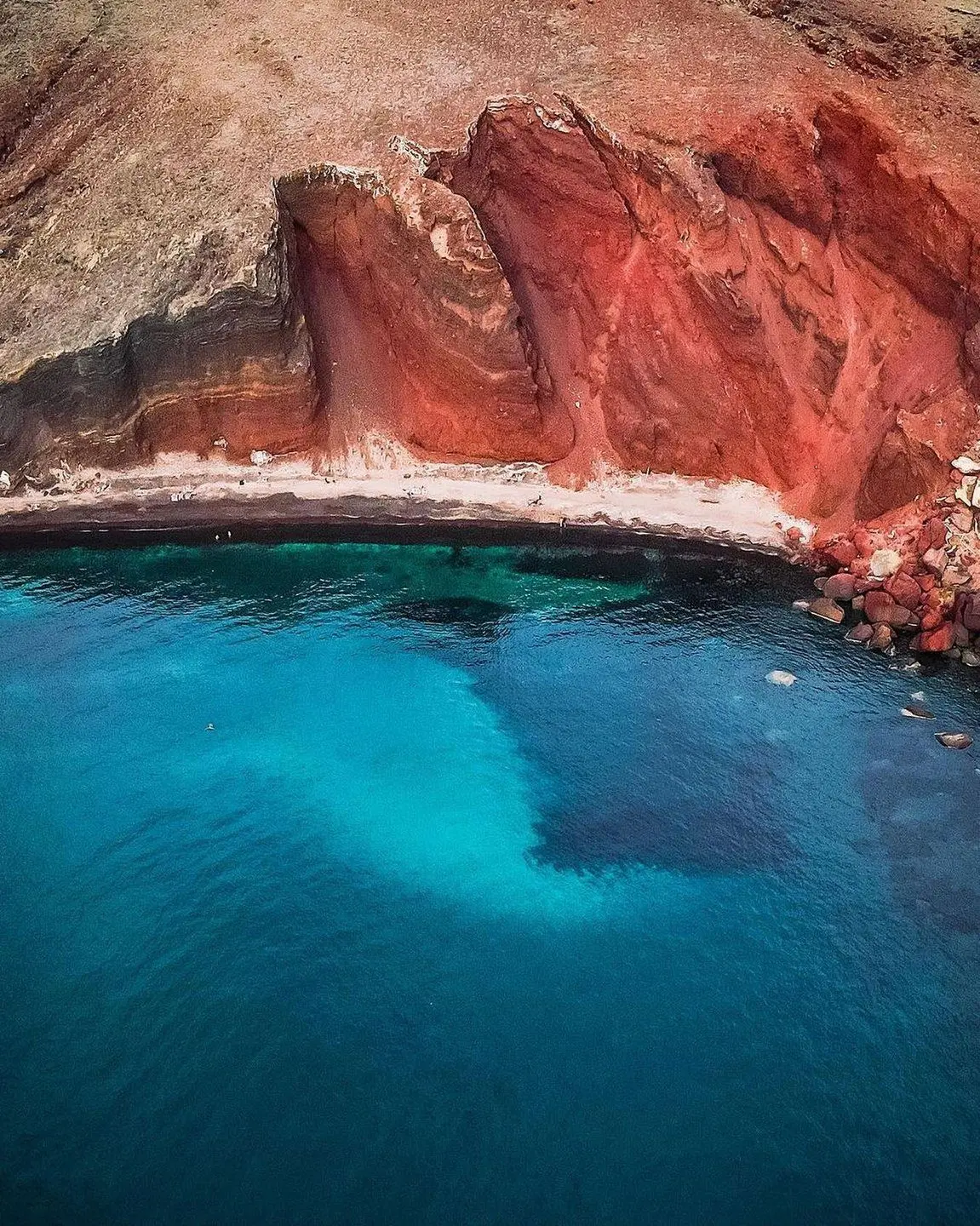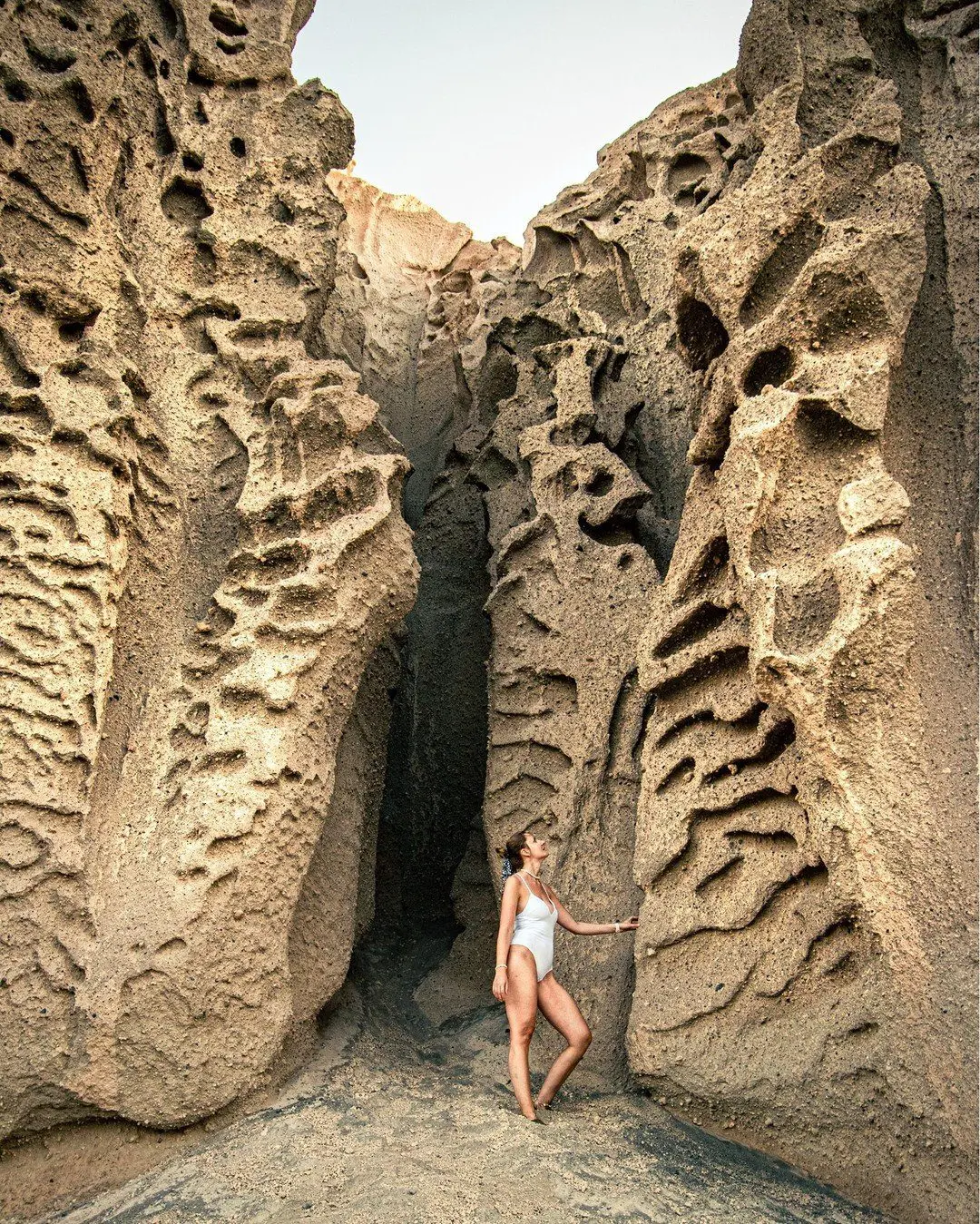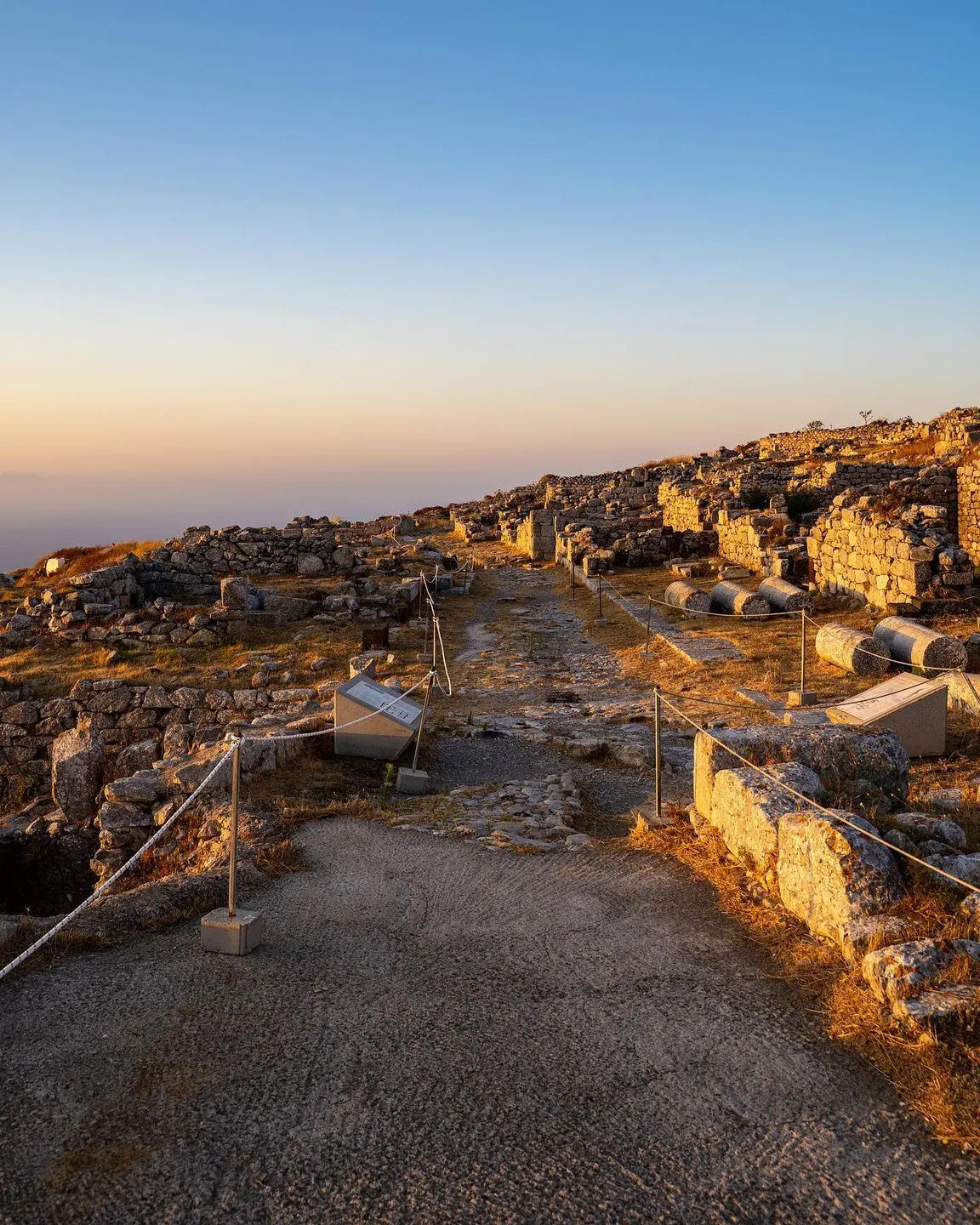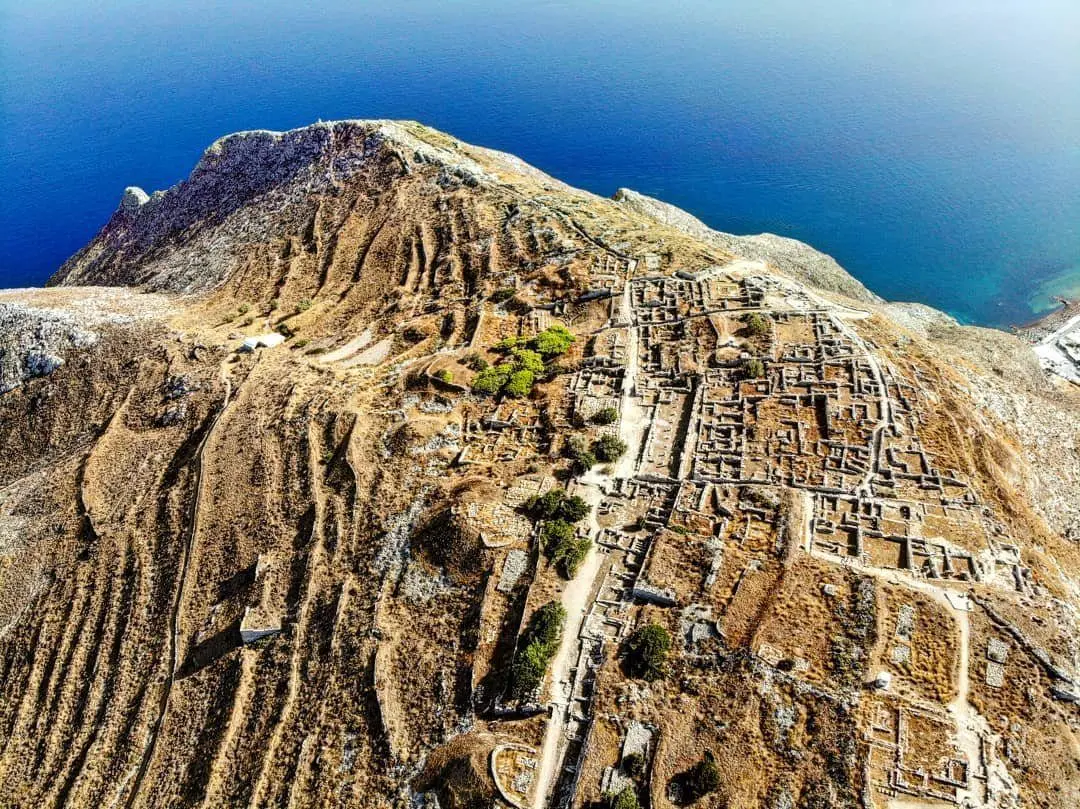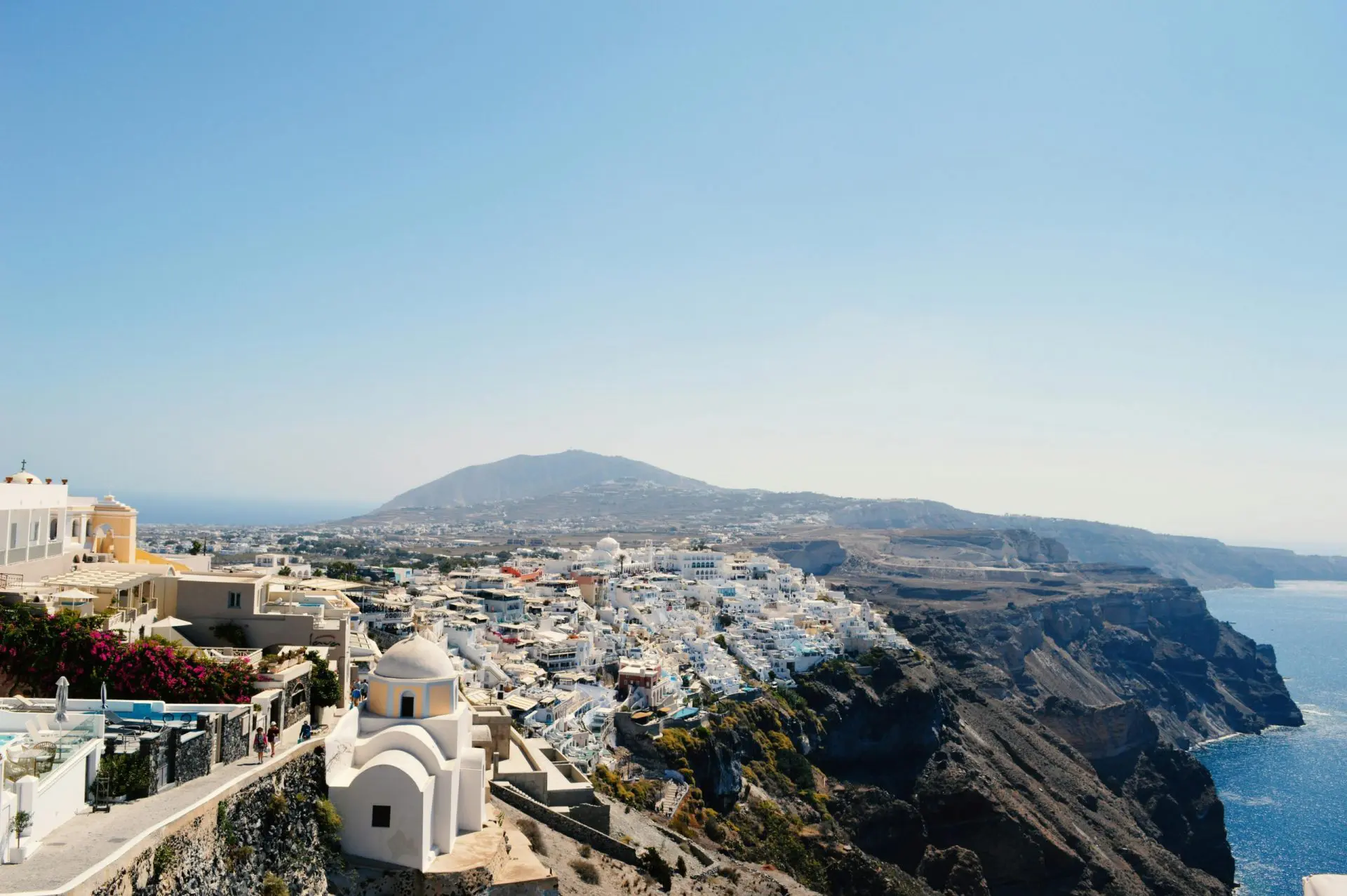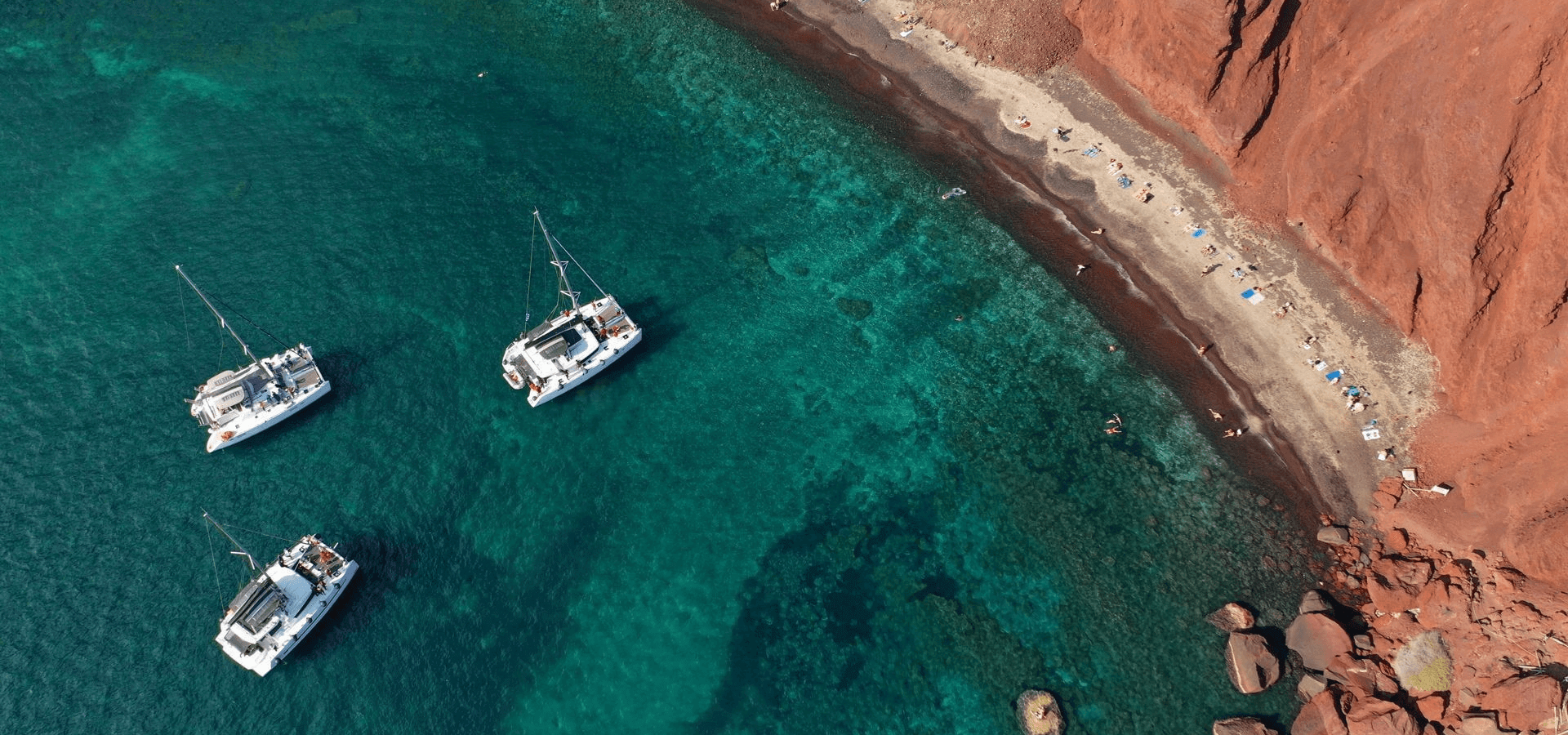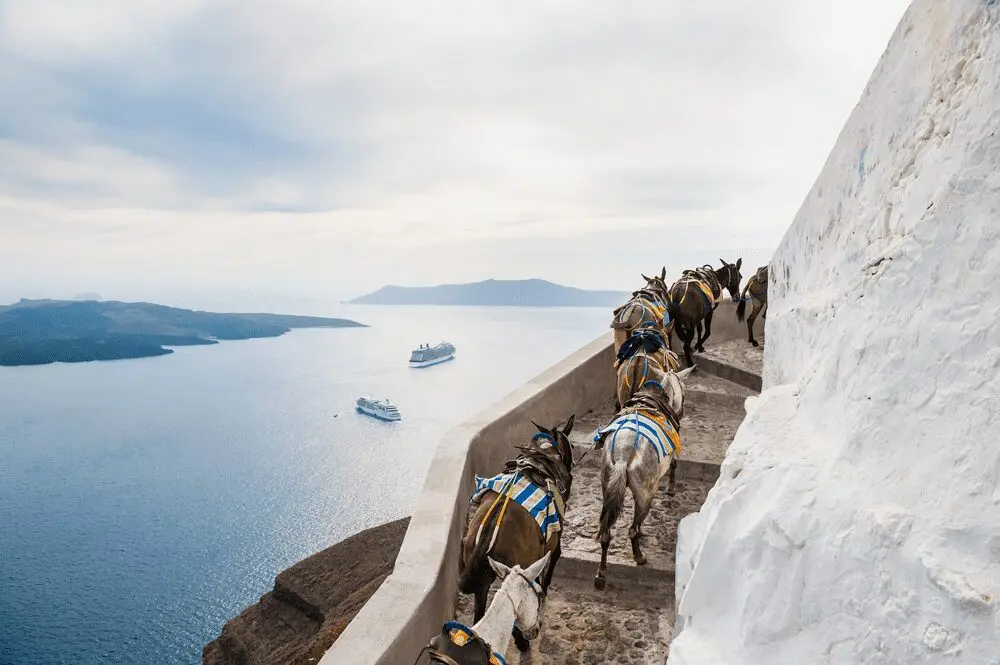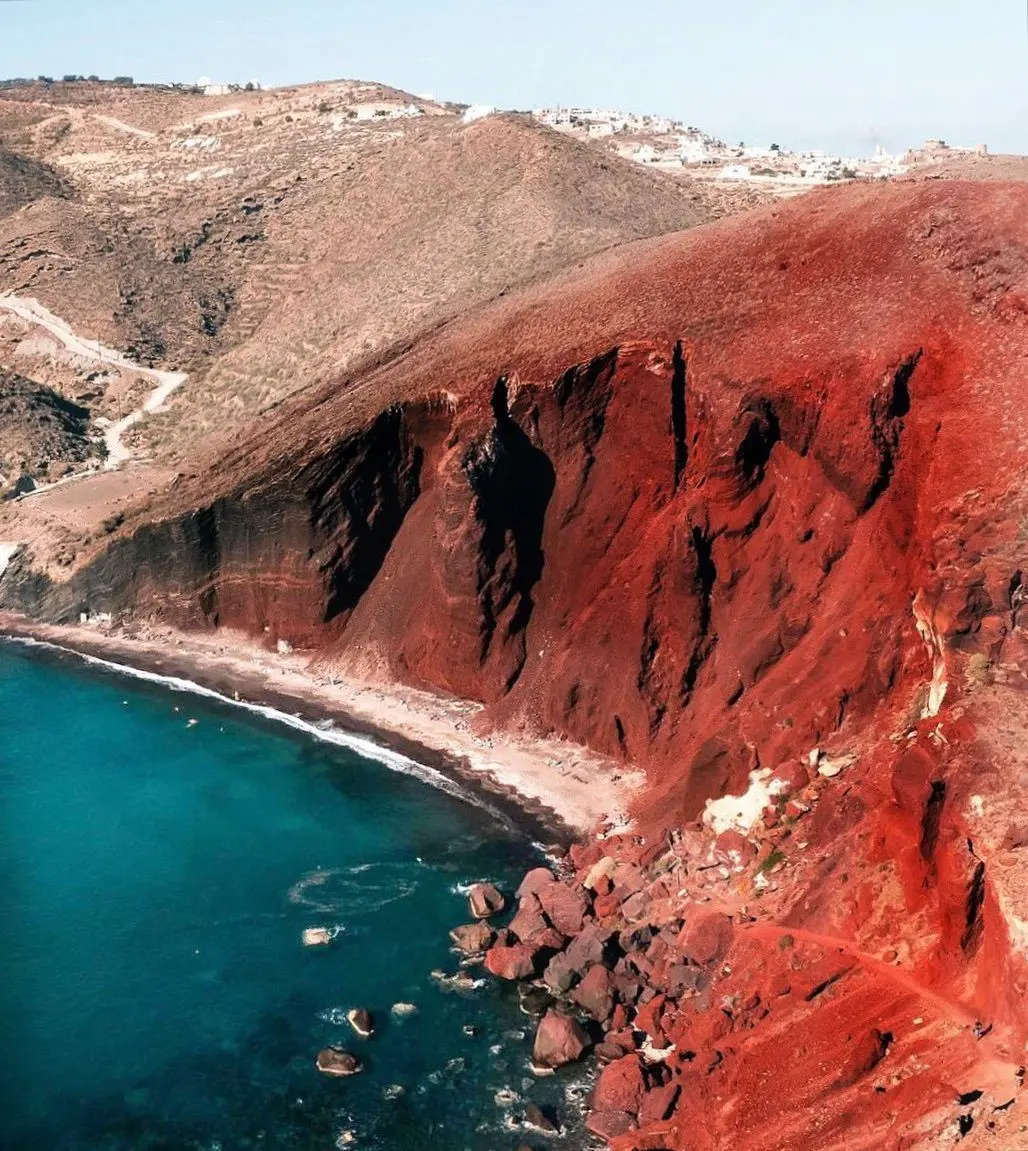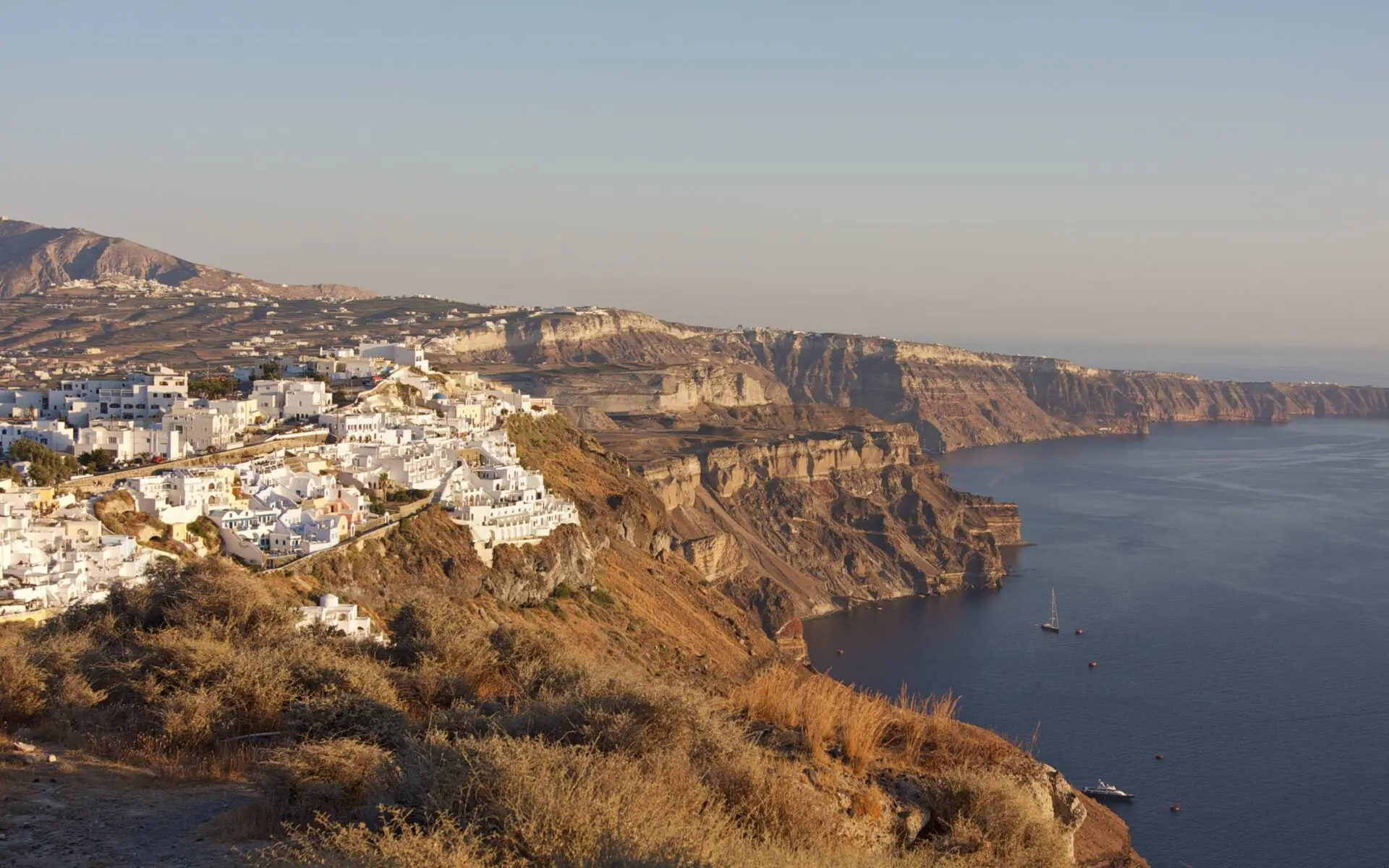
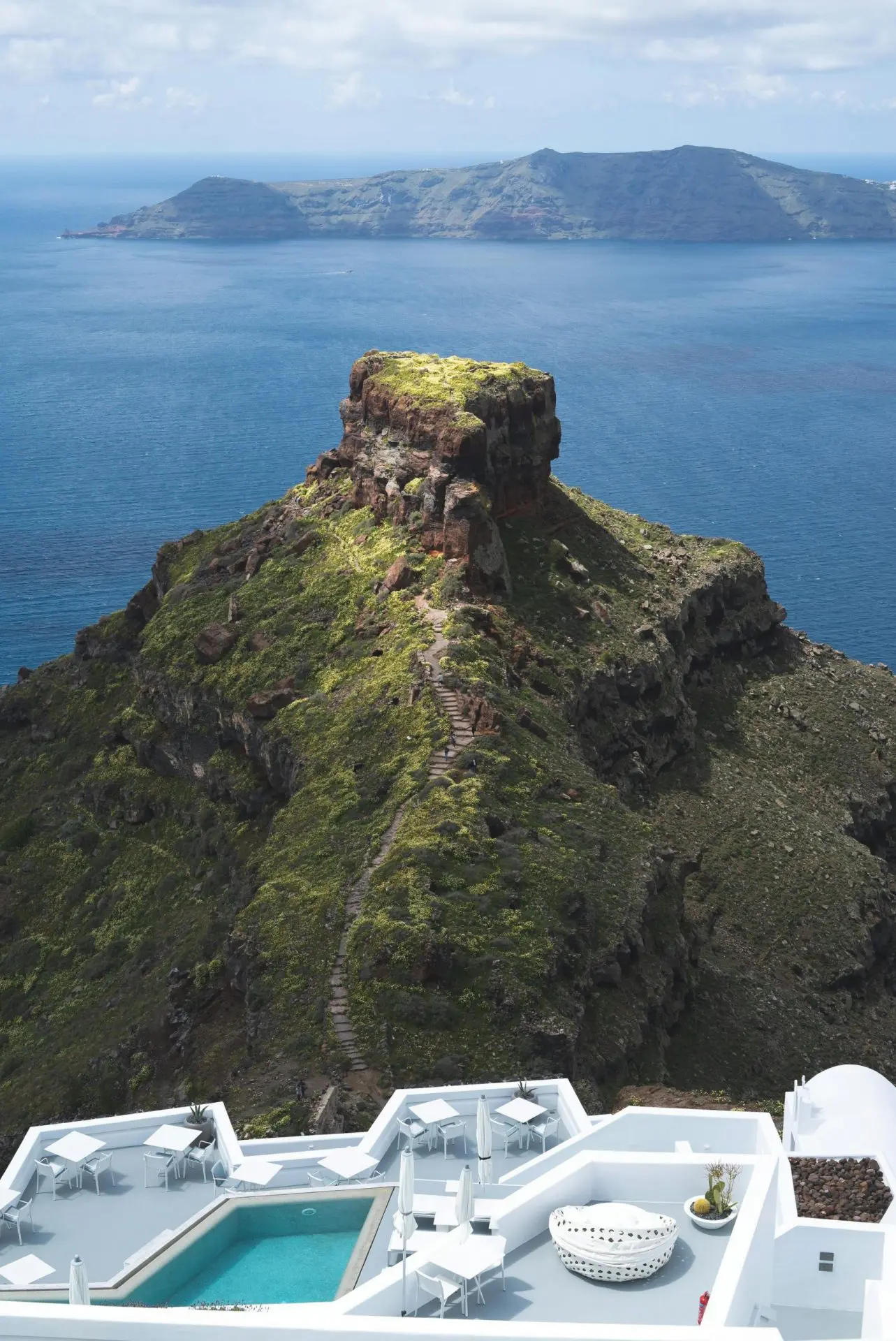
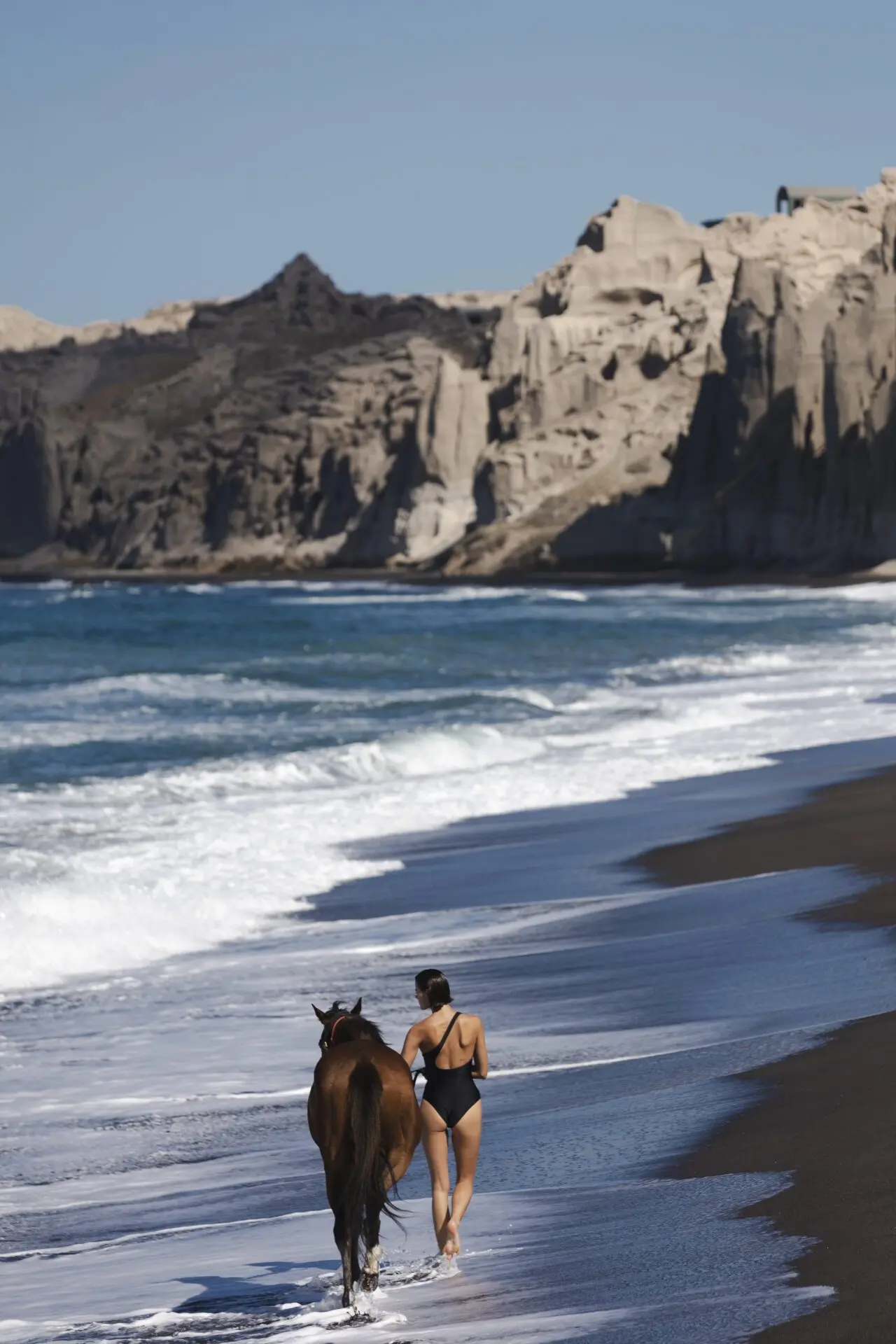

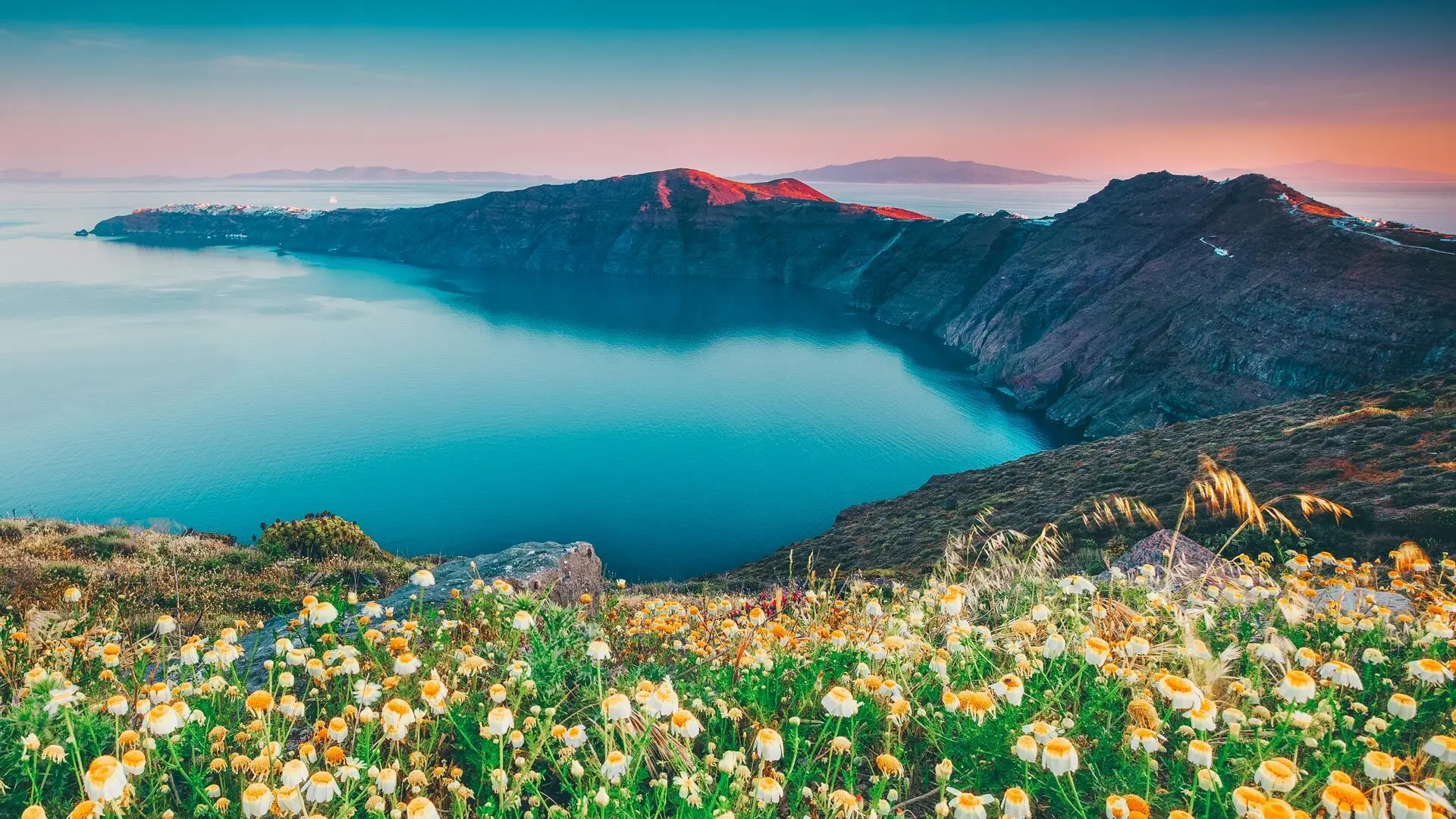
Santorini was shaped by fire. One of the most powerful volcanic eruptions in recorded history formed the caldera that defines the island today. Ash, pumice, and stone became both threat and protection — shaping architecture, agriculture, and the island’s resilient identity.
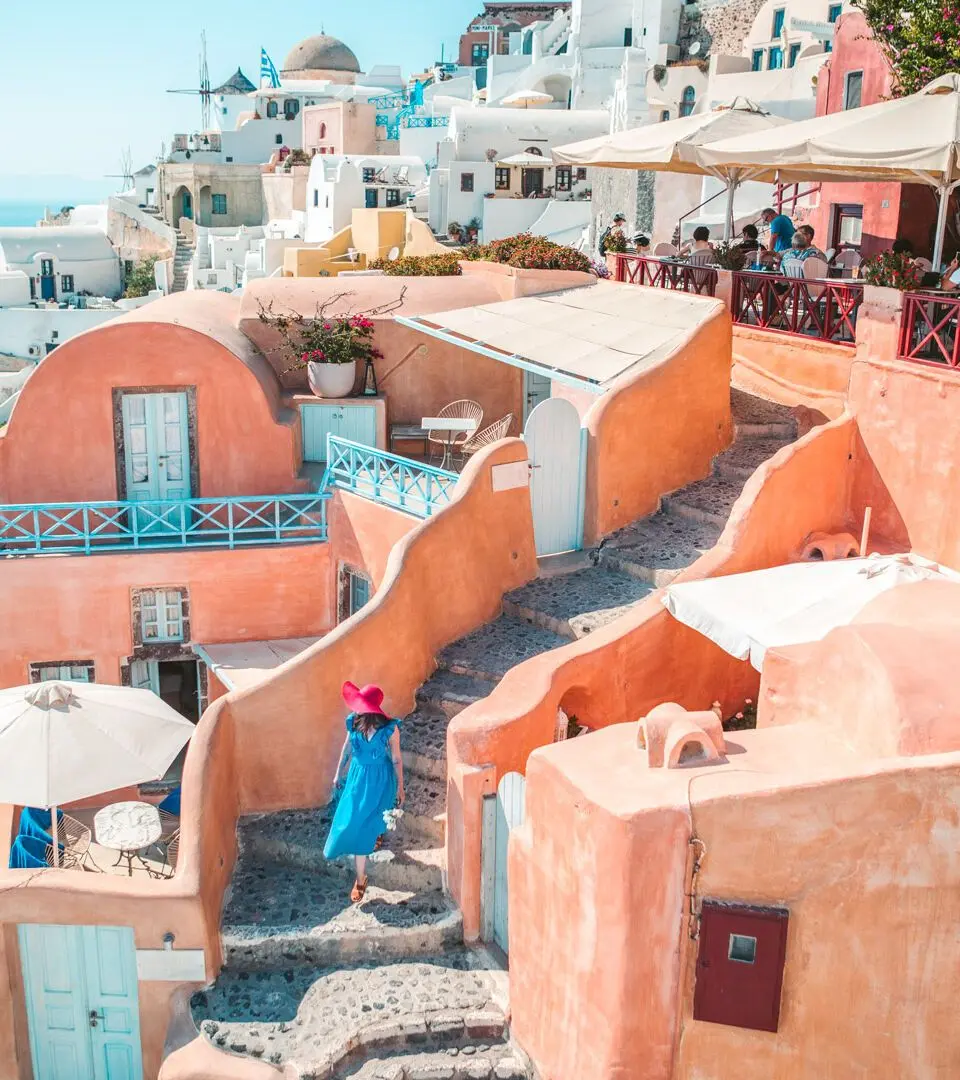
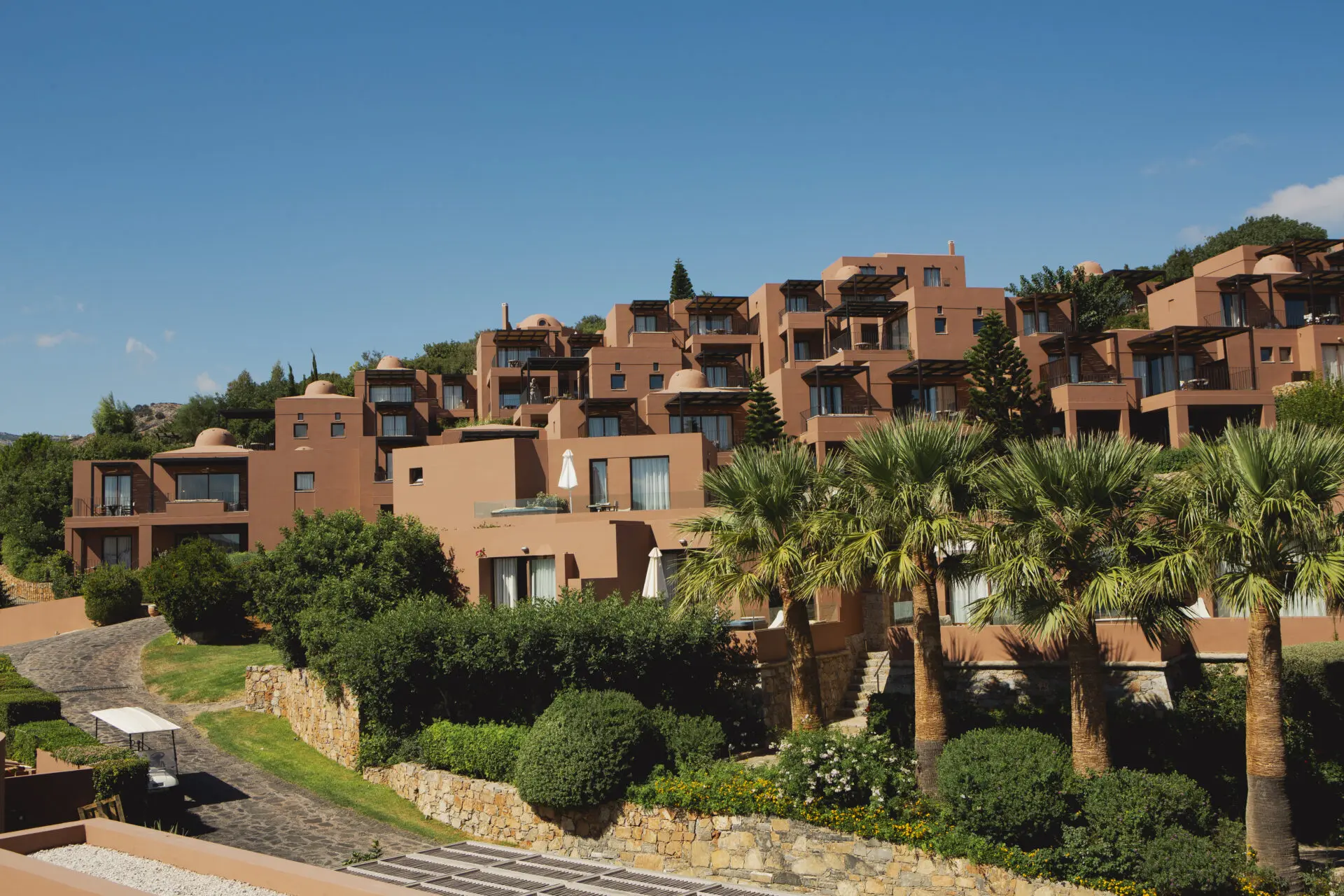
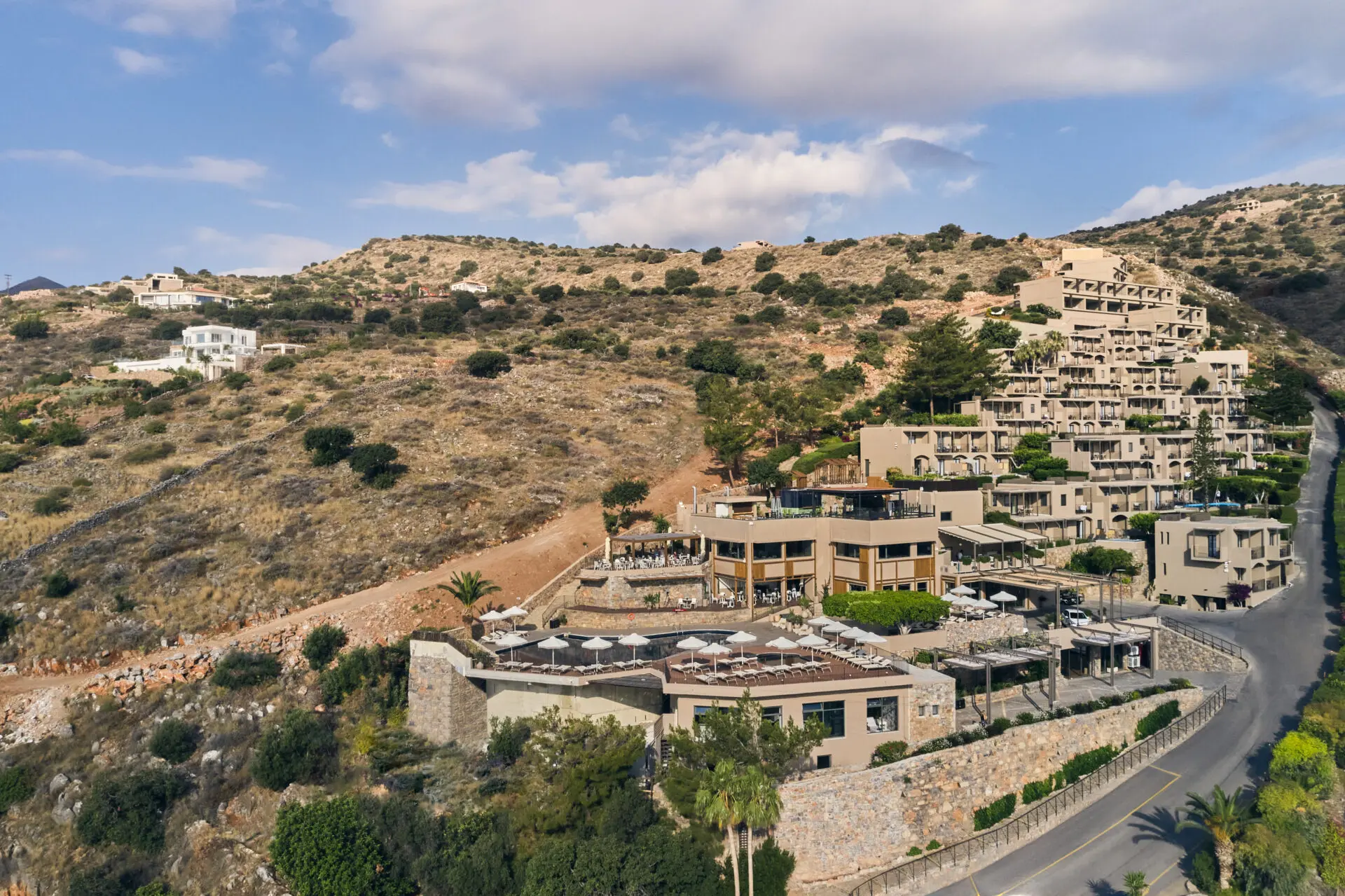
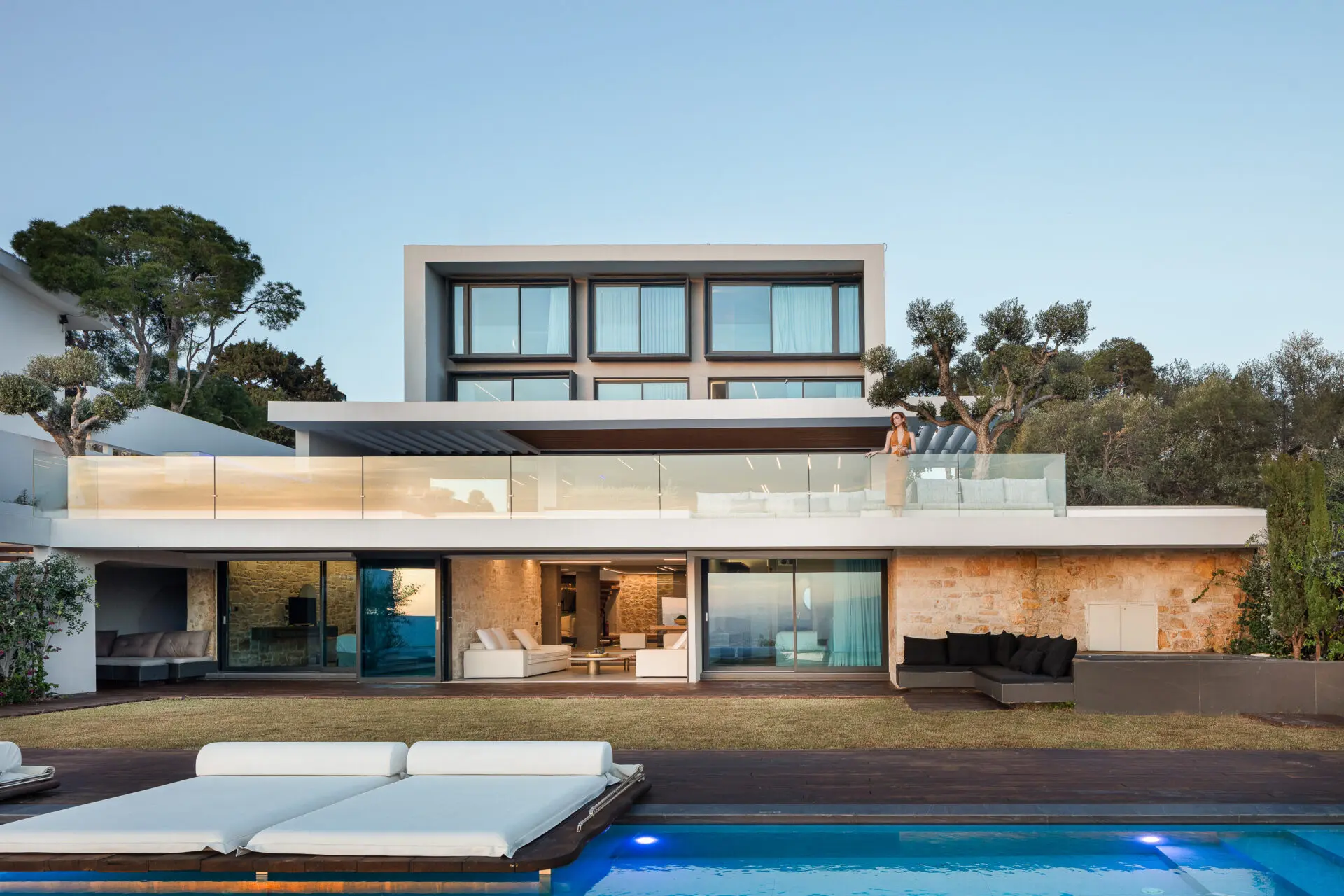
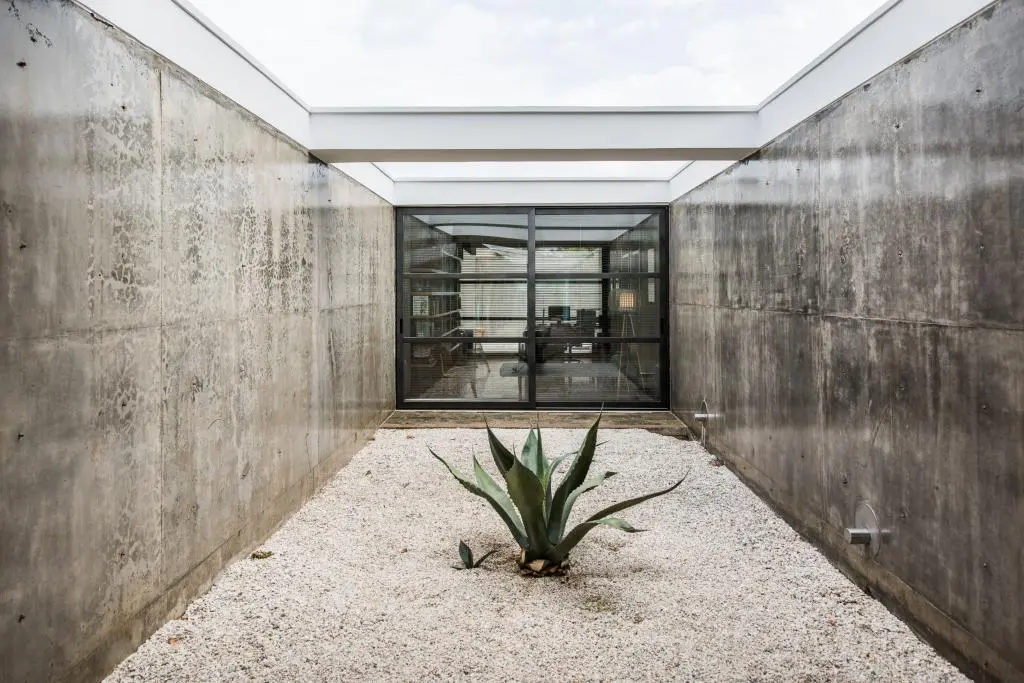
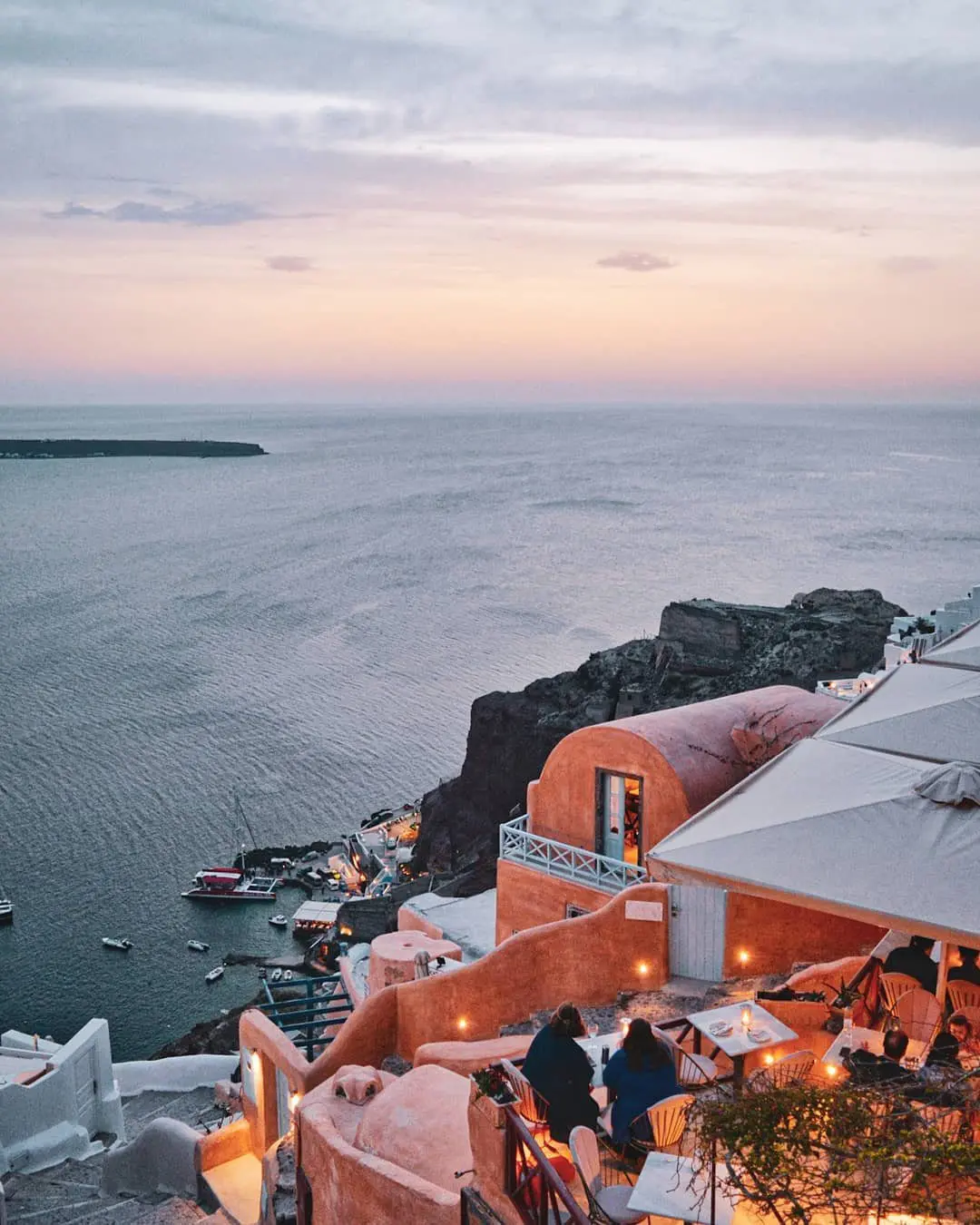
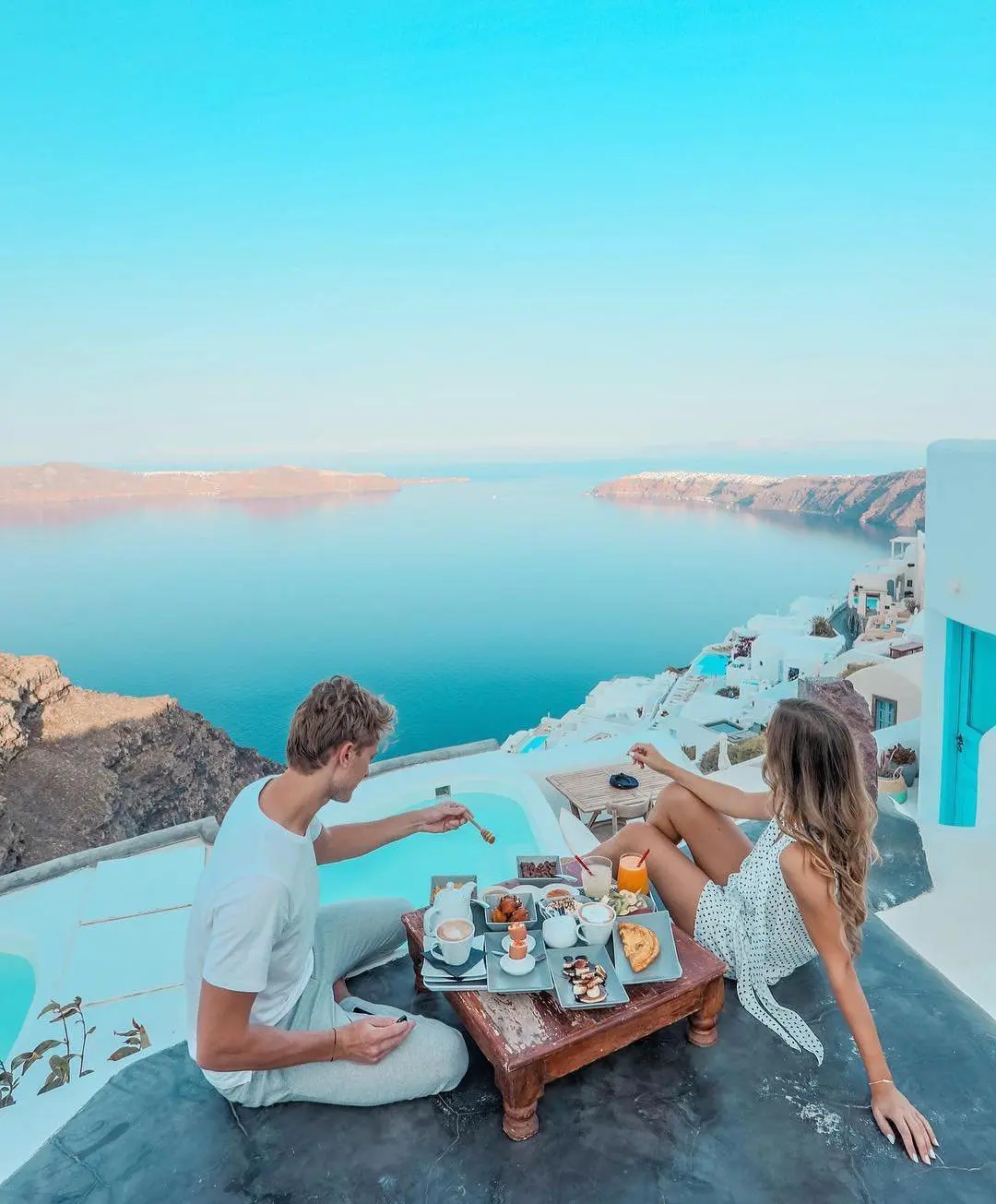
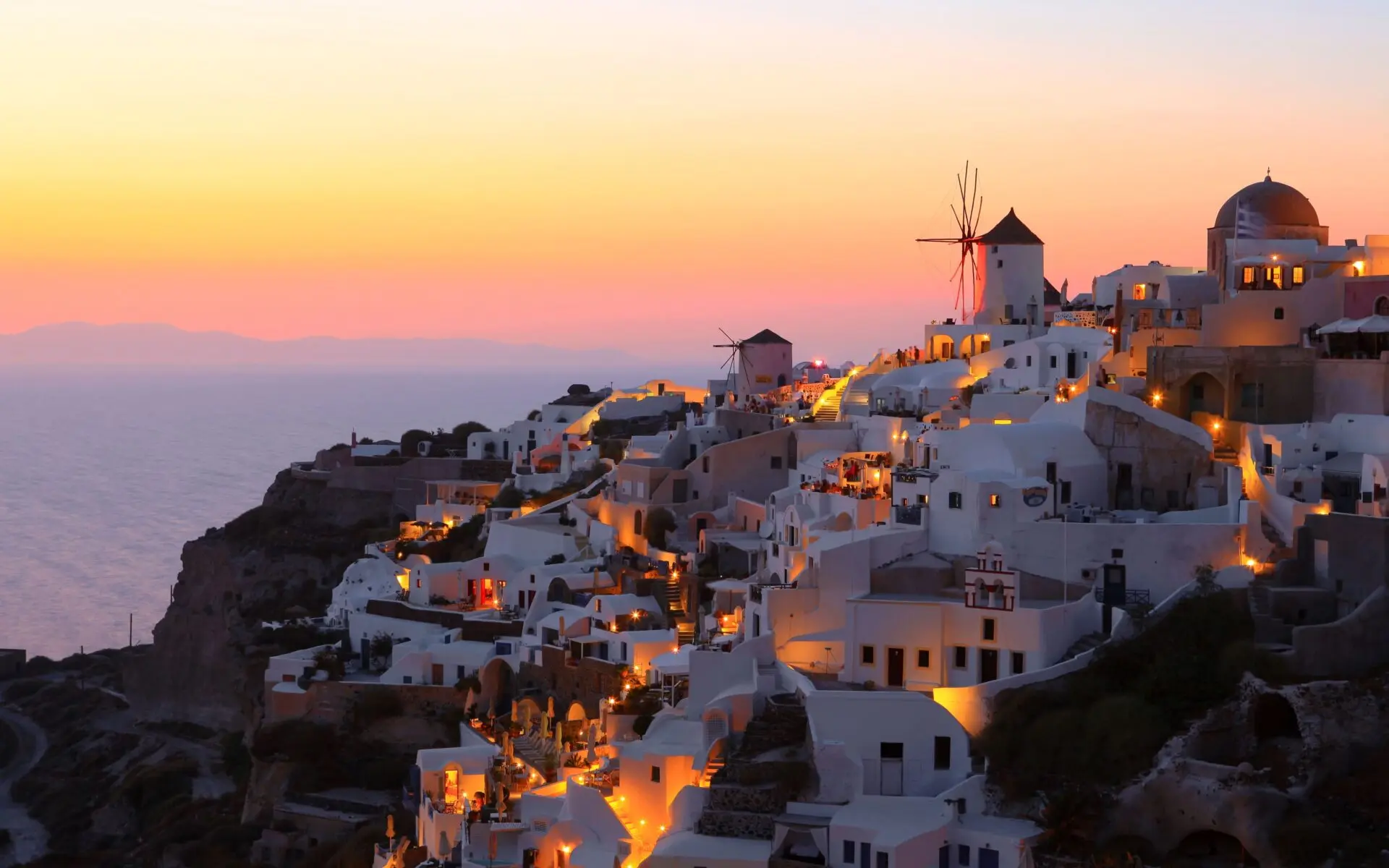
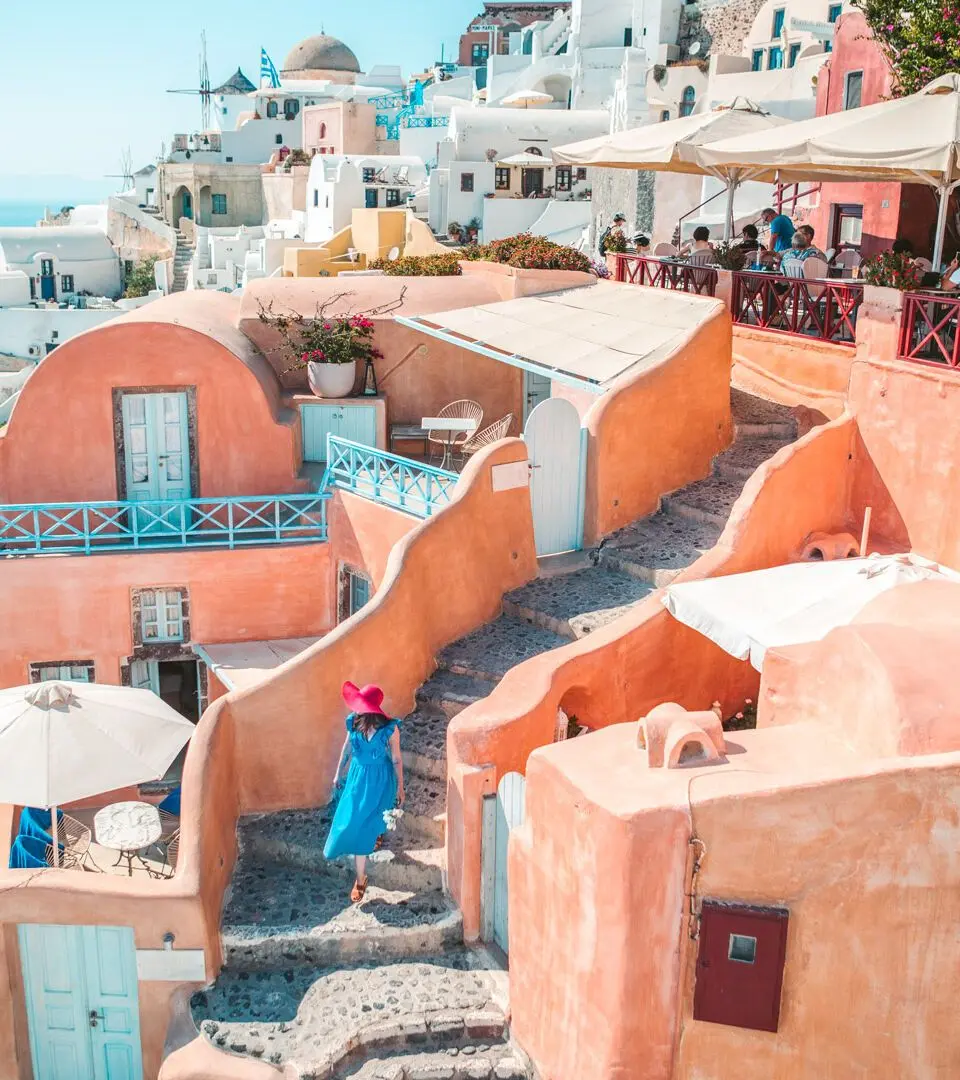
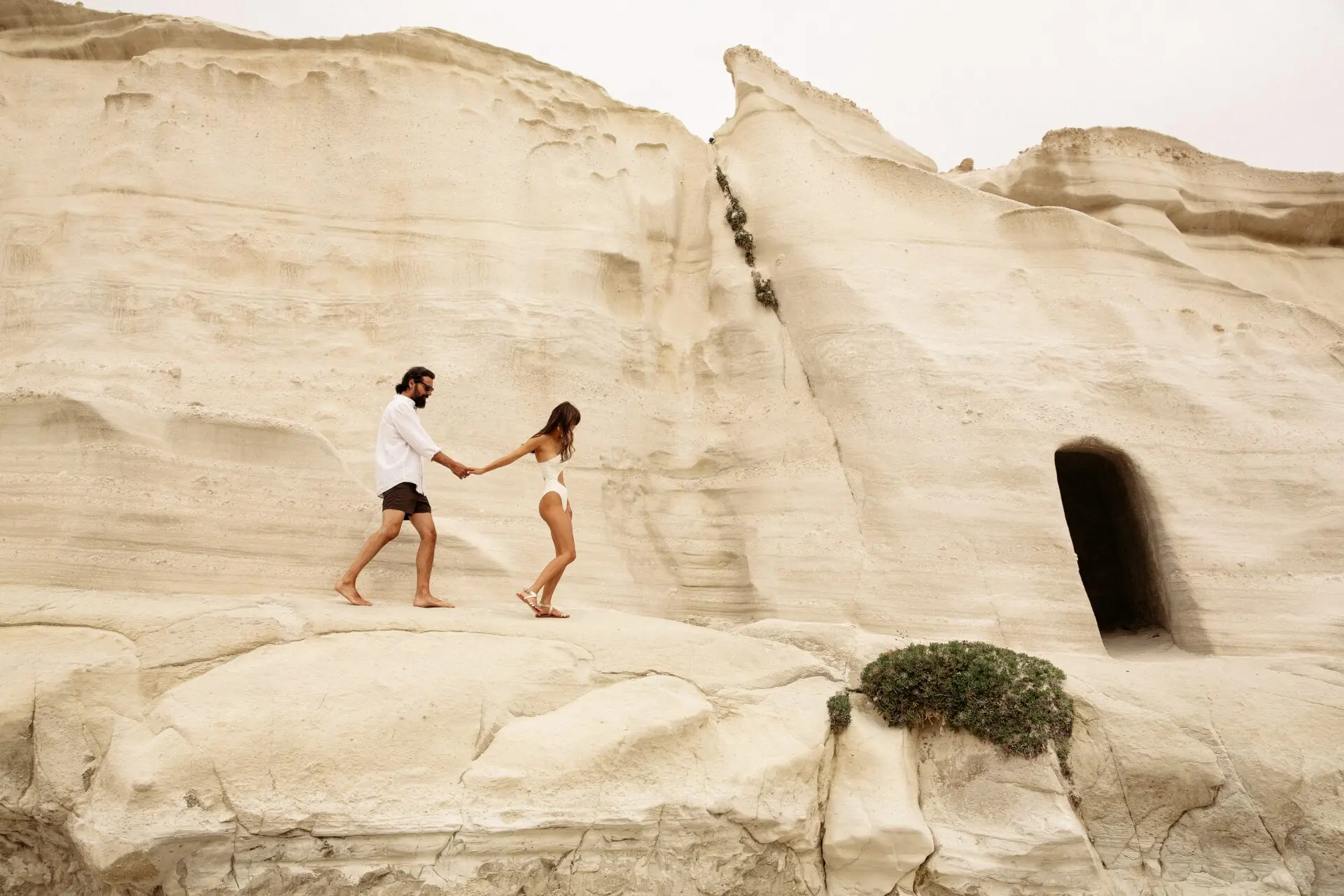
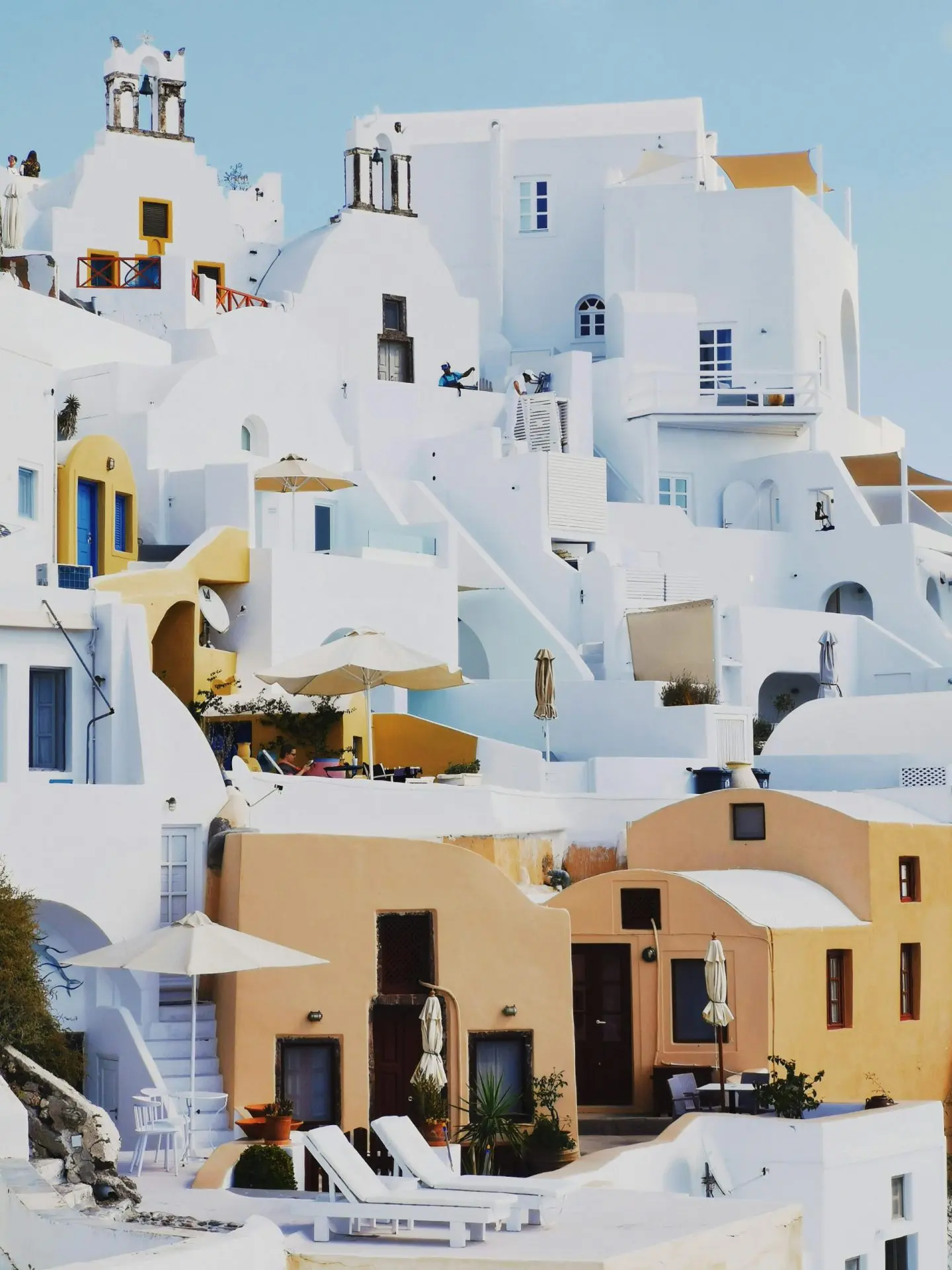
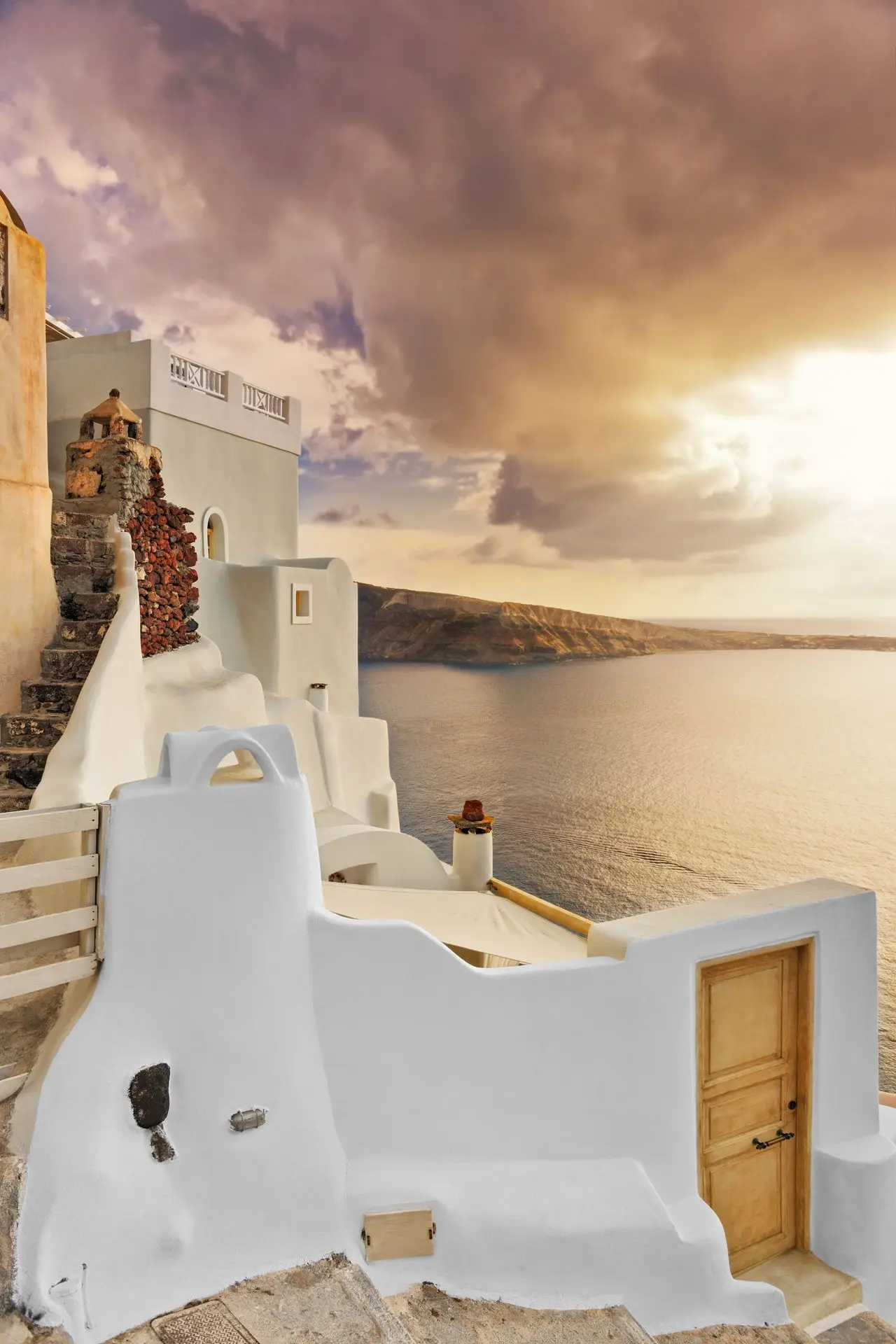
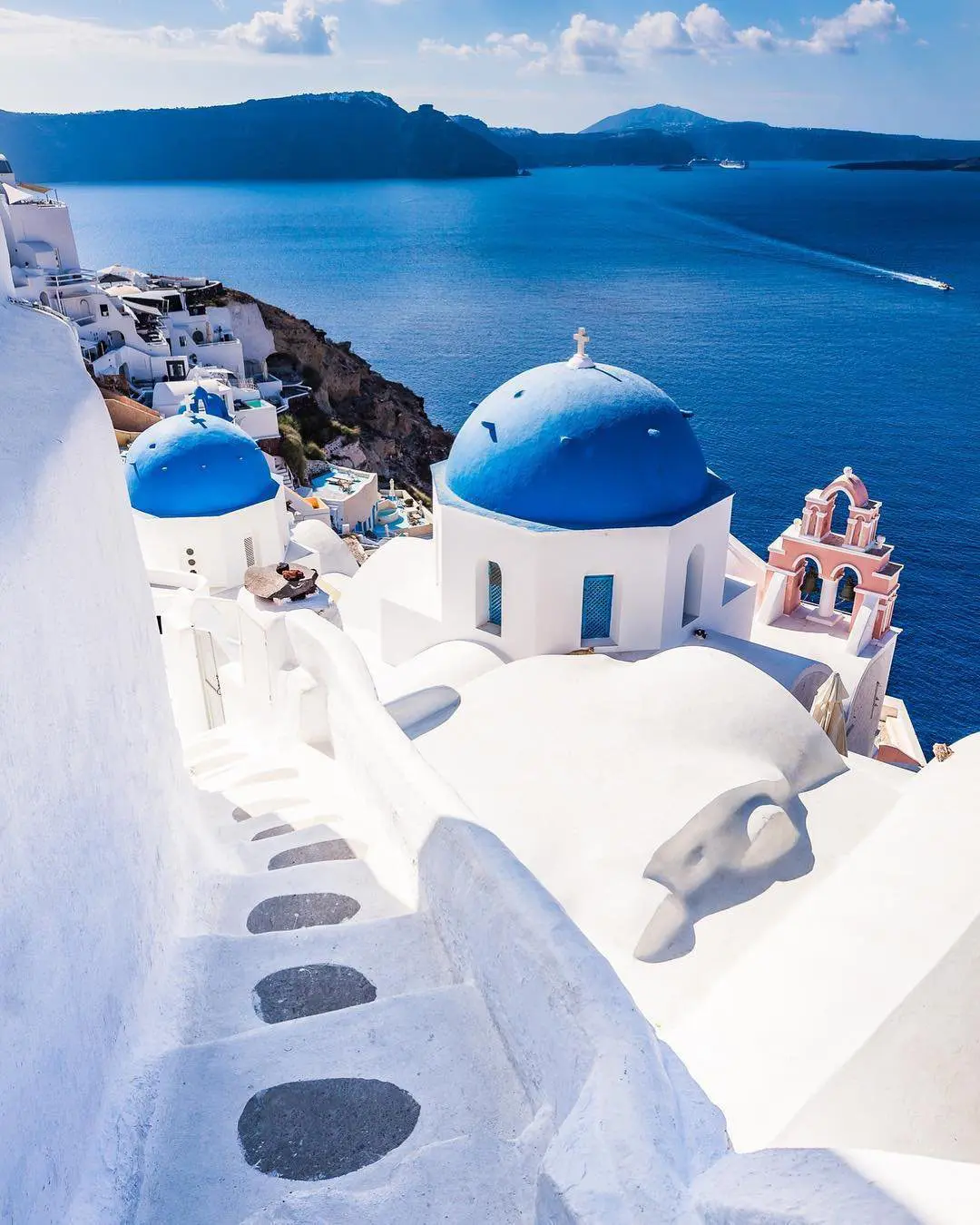
Cave houses and cliffside dwellings were born of necessity, not design. Built into volcanic rock, they offer natural insulation, quiet, and privacy. Today, this instinctive architecture forms the foundation of Santorini’s most refined stays — minimal, tactile, and deeply connected to place.
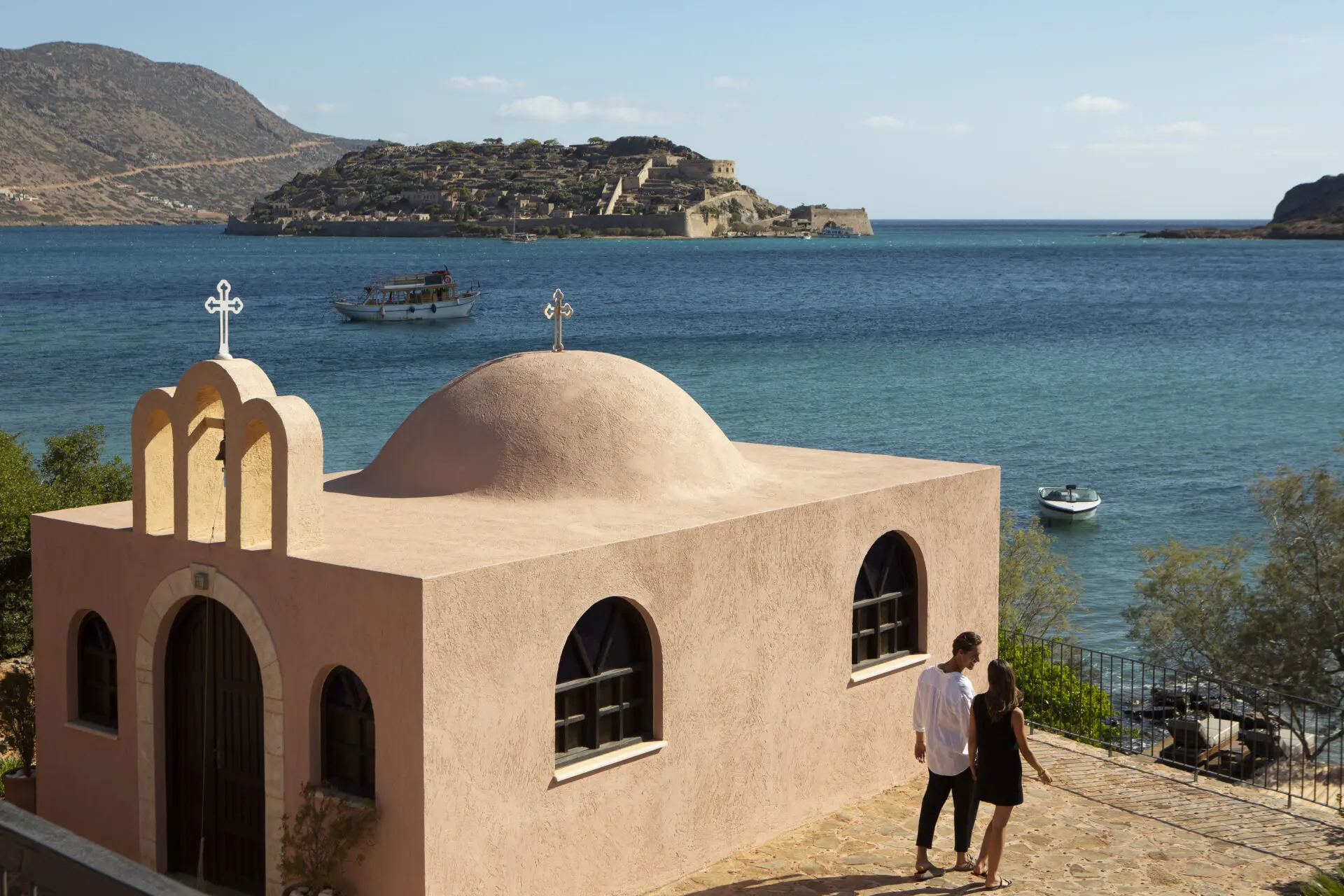
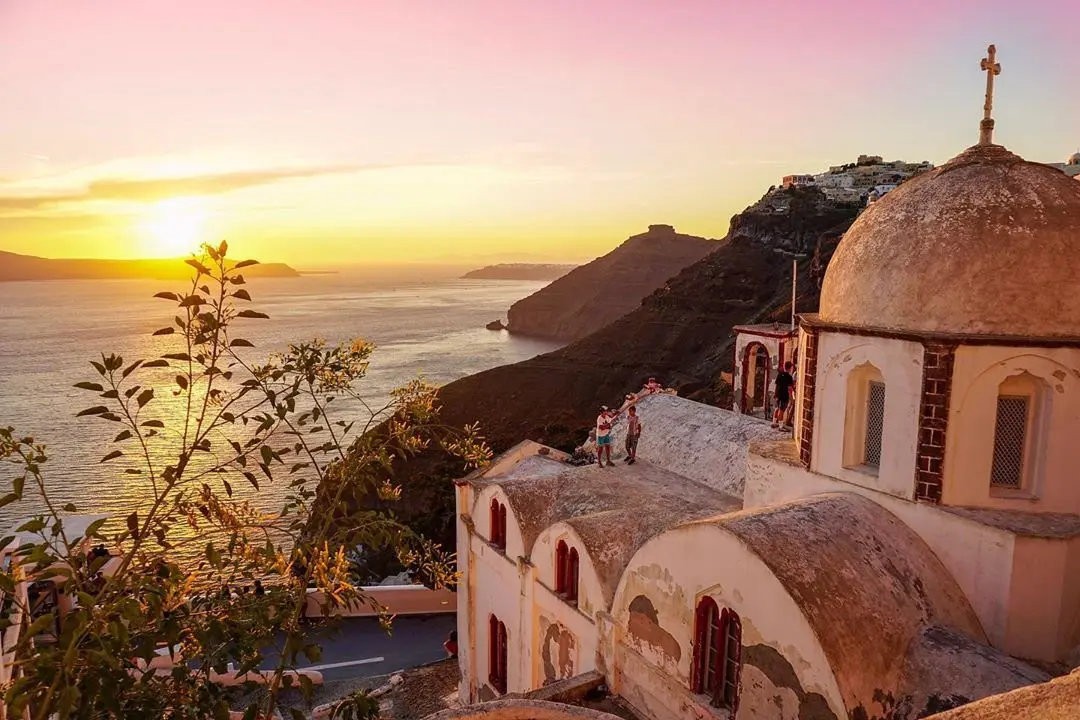
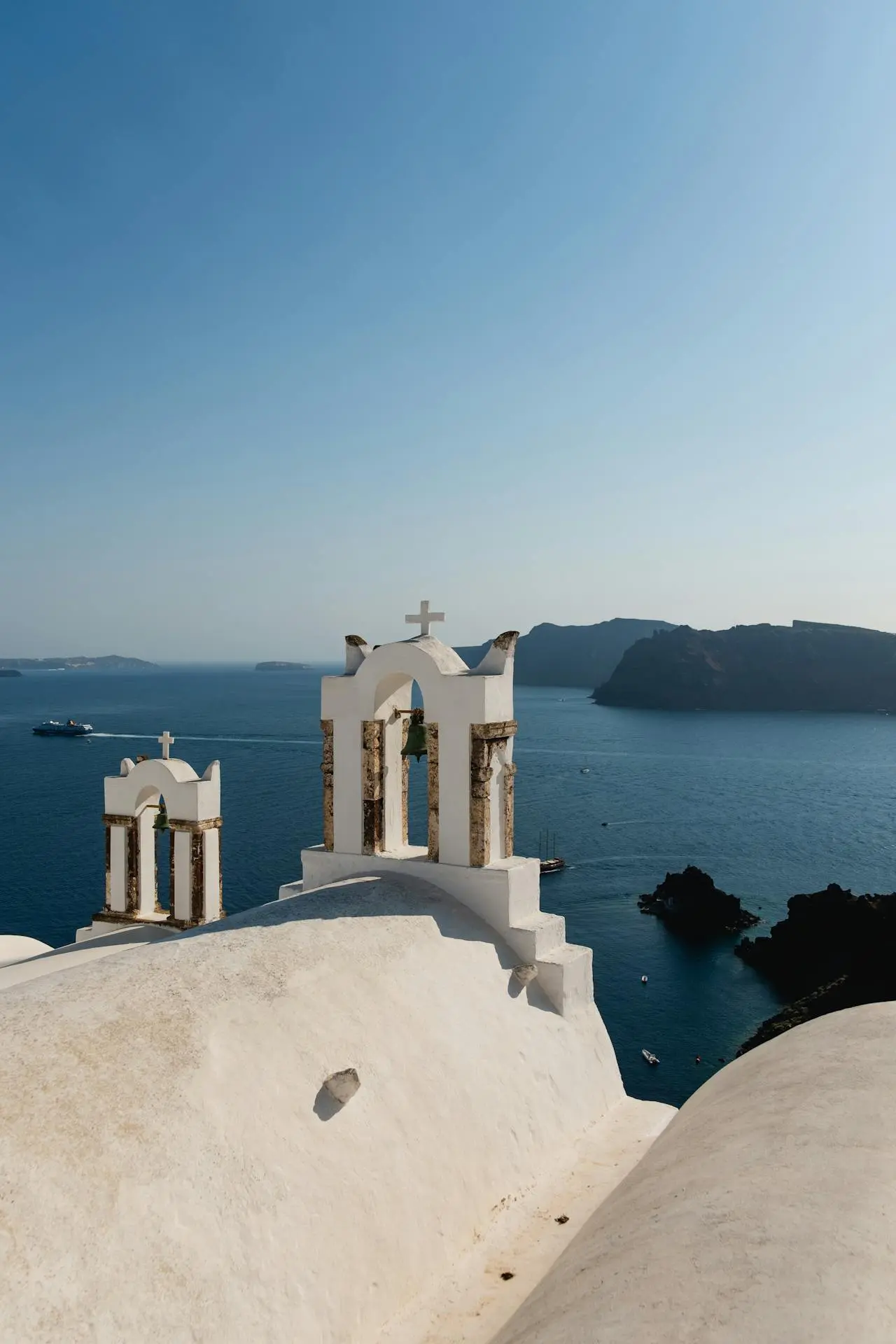
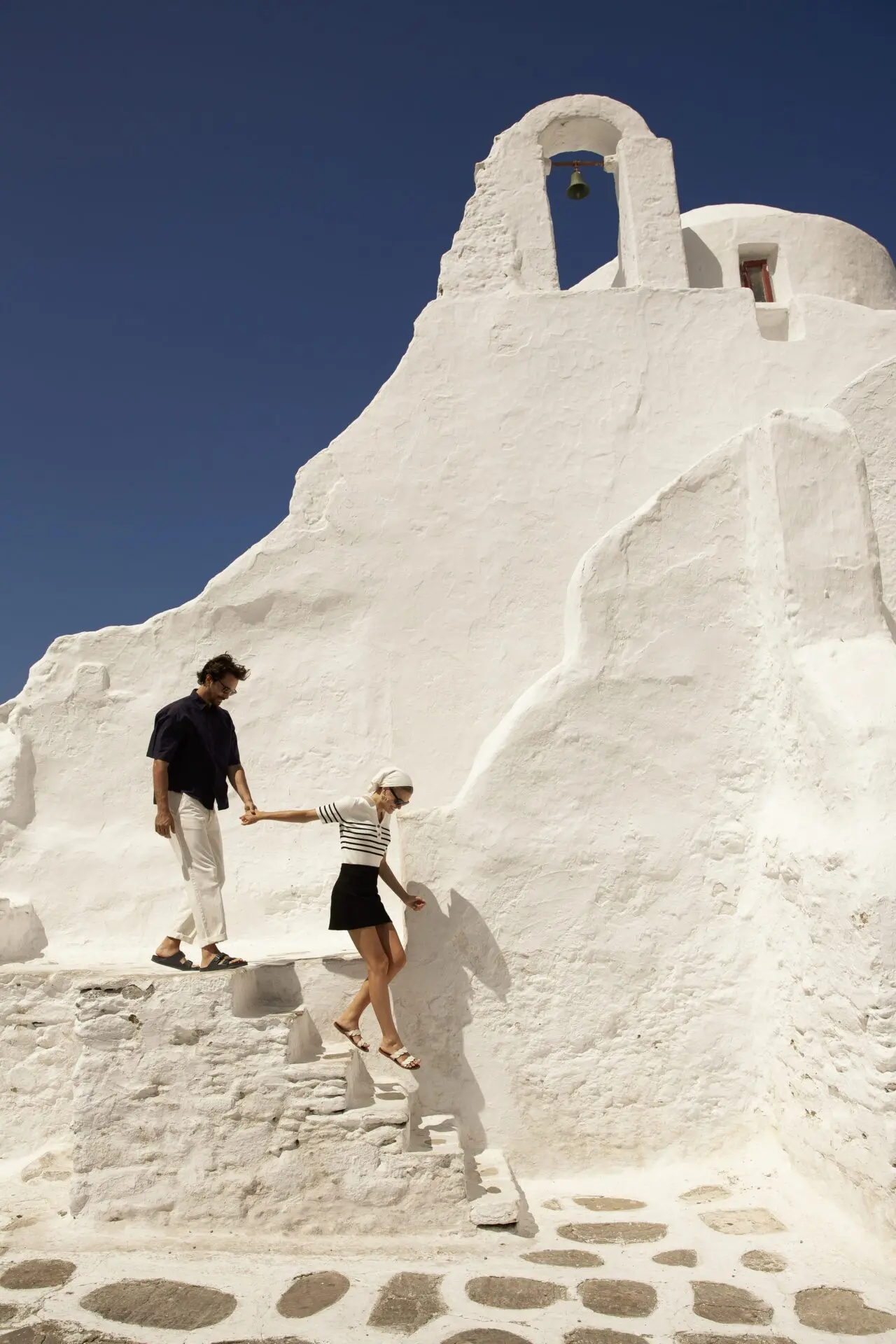
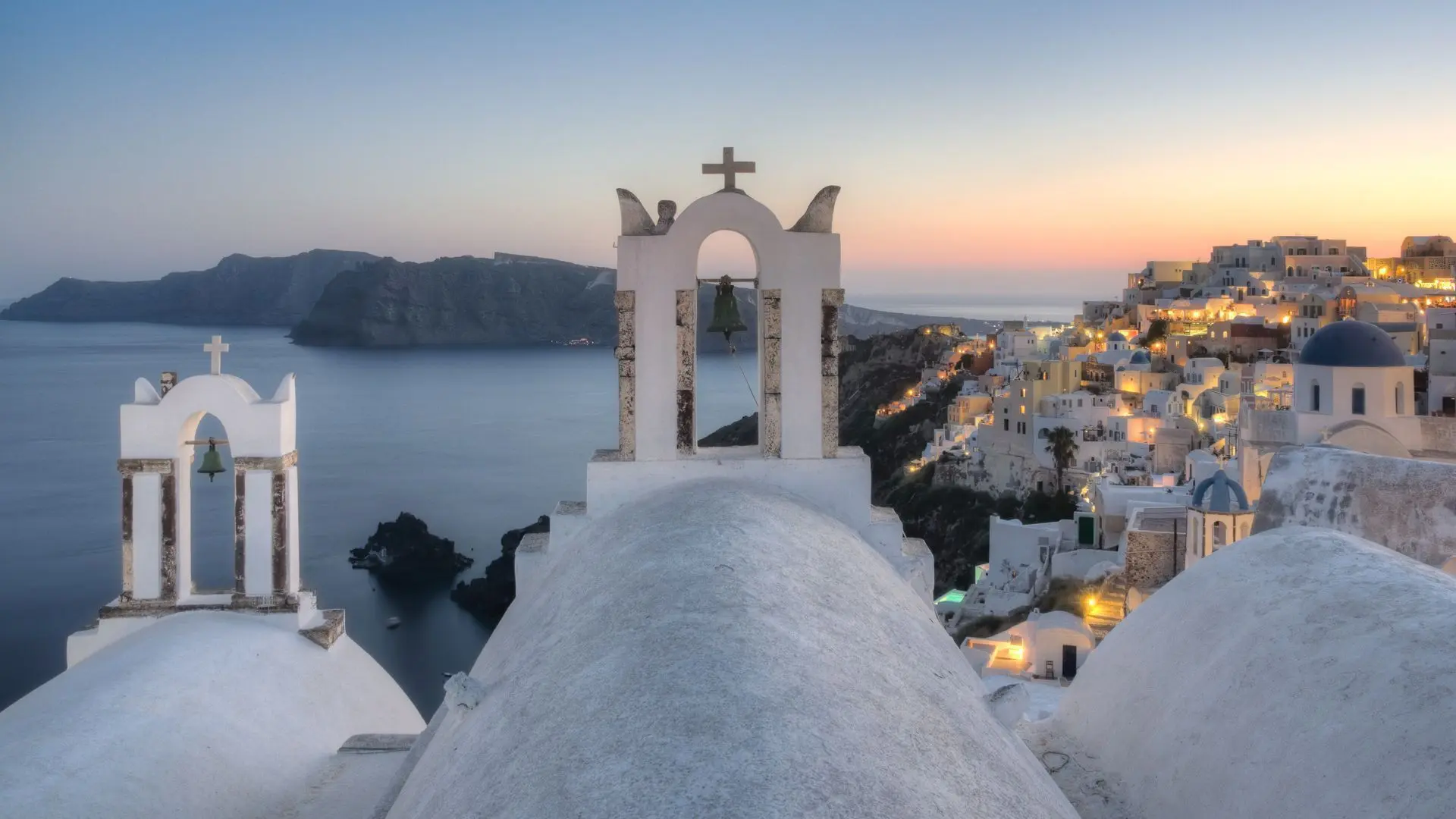
Chapels and monasteries punctuate the landscape, often standing alone against sky and sea. These spaces reflect Santorini’s spiritual rhythm — moments of pause, reflection, and ceremony woven into daily life.
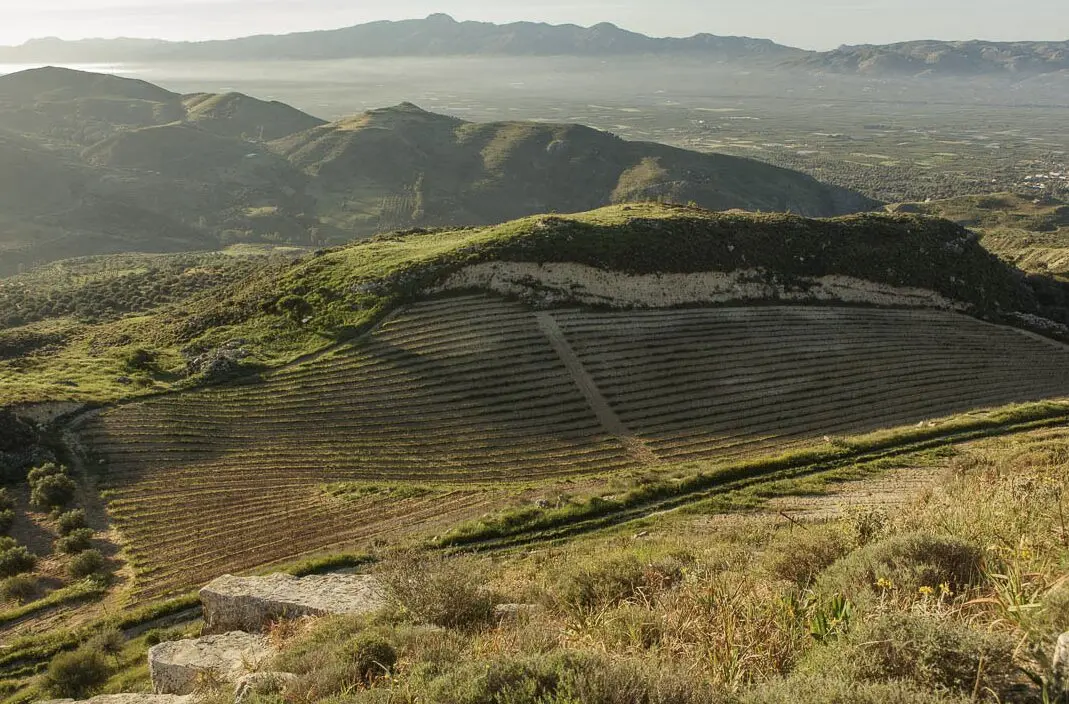
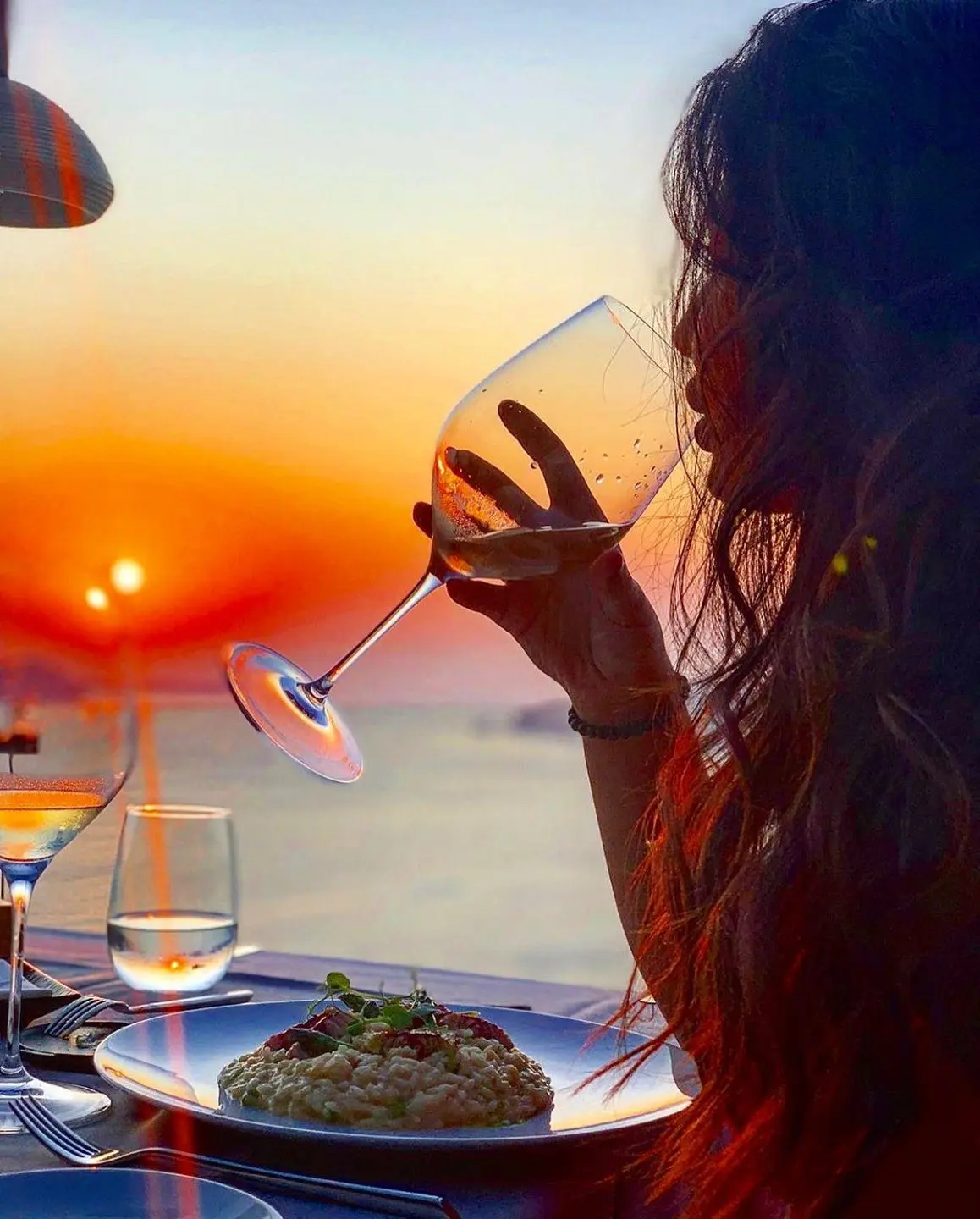
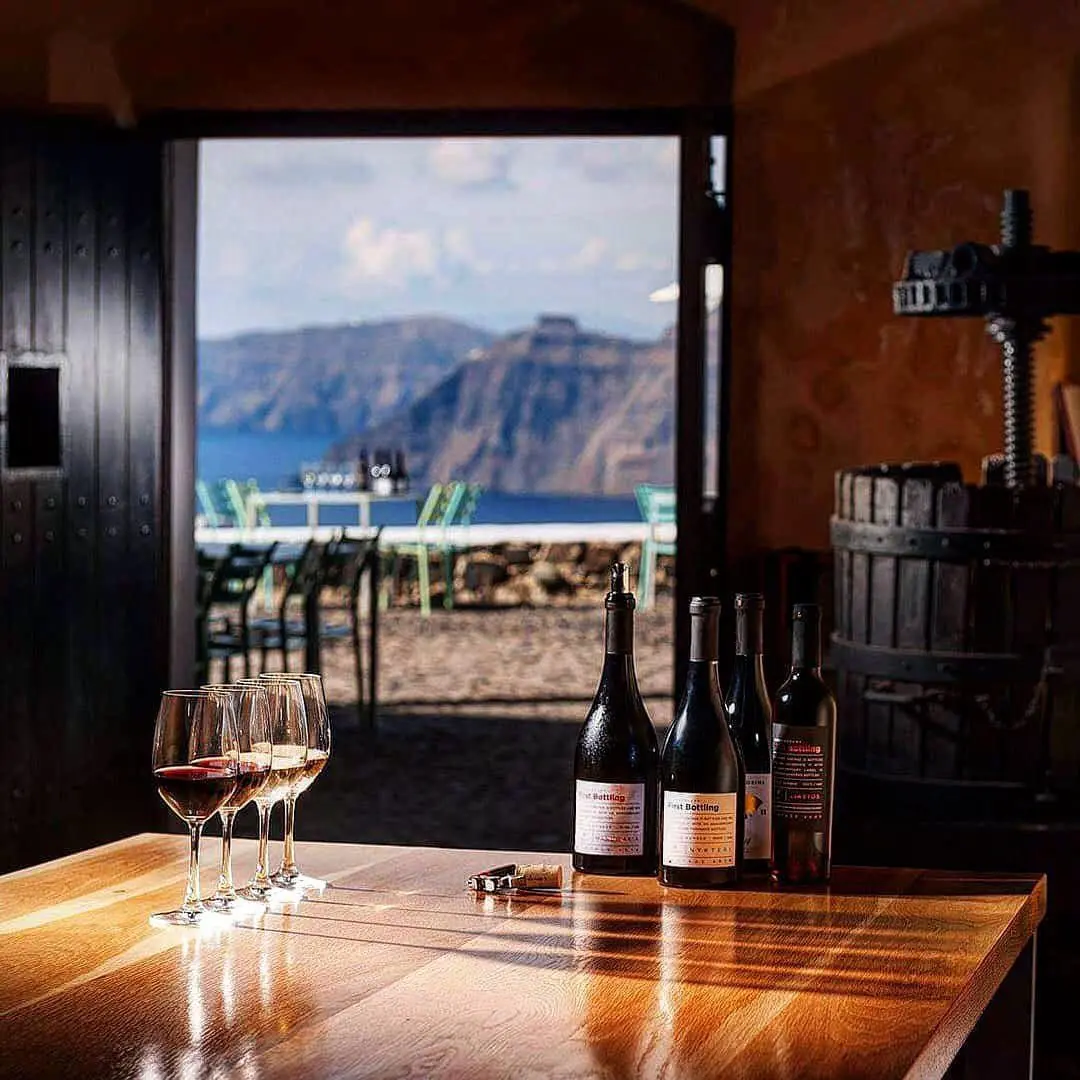
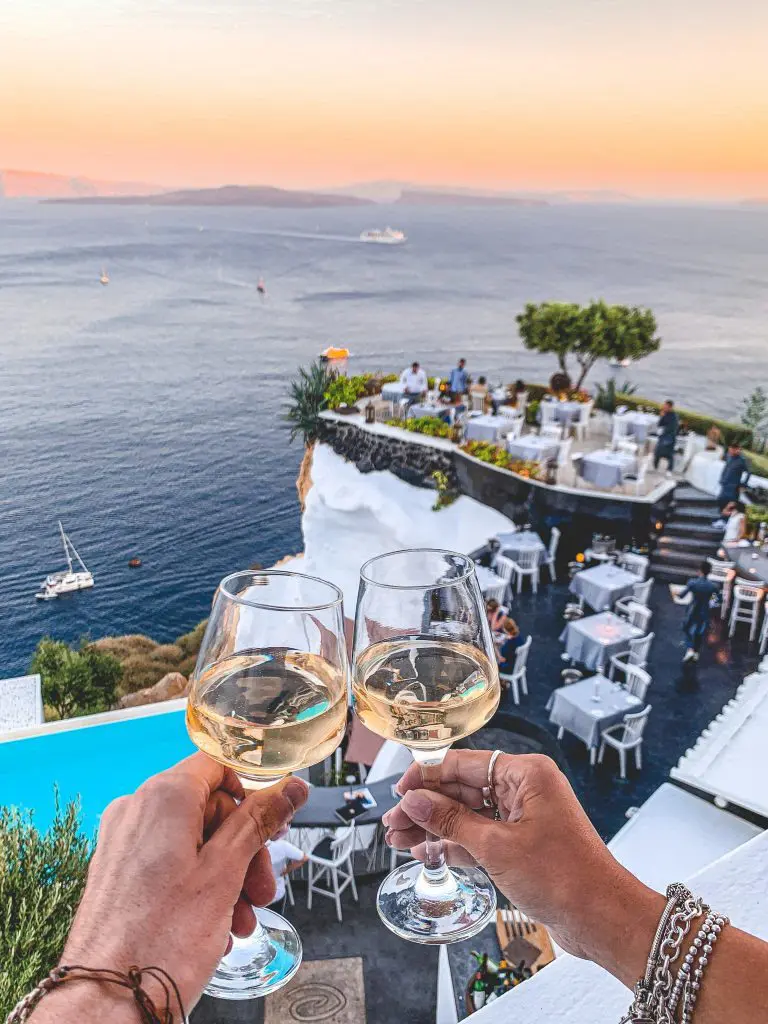
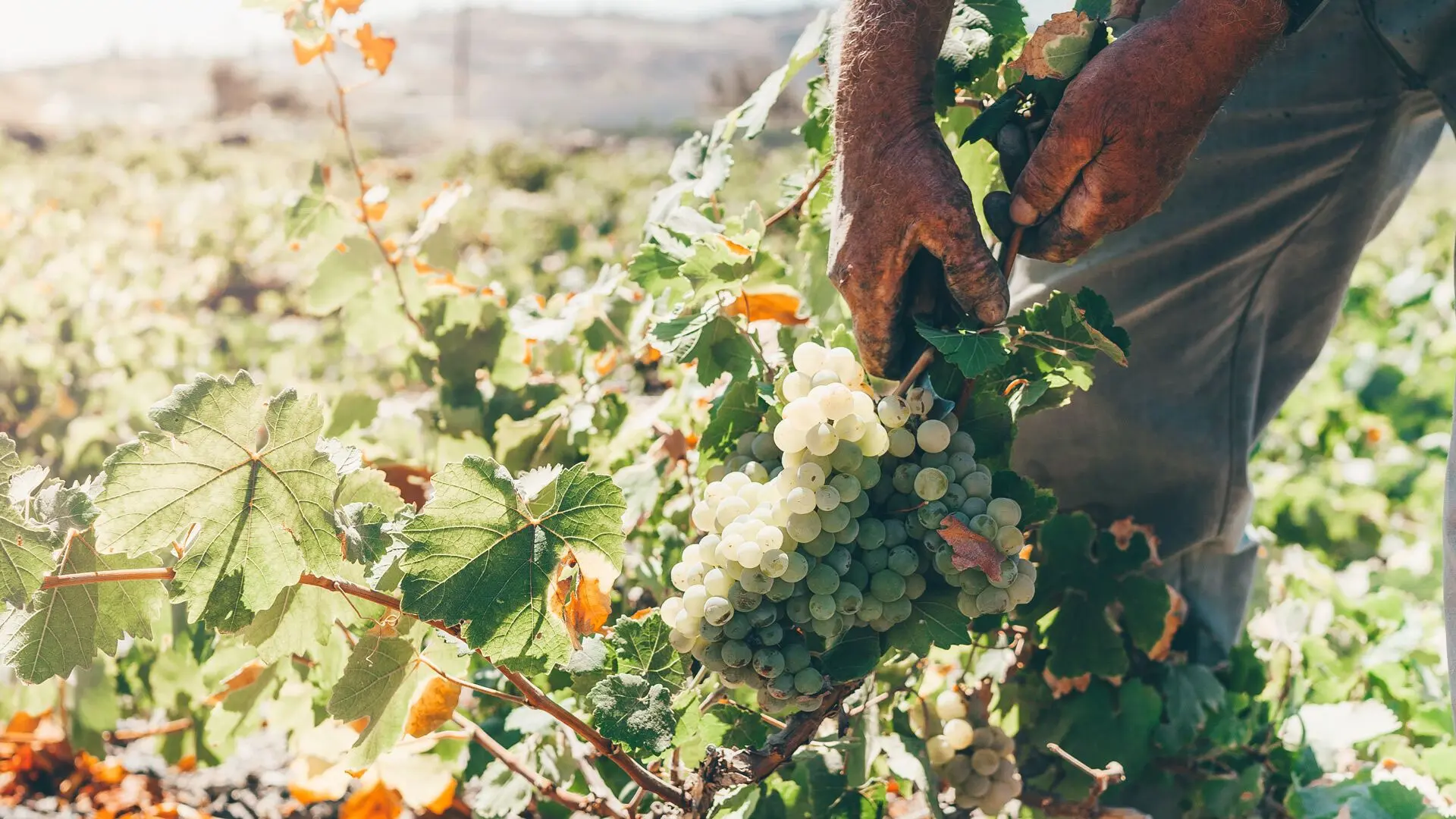
Santorini’s vineyards grow low to the ground, shaped by wind and volcanic soil. Indigenous grapes like Assyrtiko produce wines of remarkable minerality and tension — tasting of sun, salt, and stone. Wine here is not indulgence, but expression.